Summary
Learn about codeine phosphate and dihydrocodeine tablets in the UK. Understand uses, dosage strength differences, side effects, and safety guidance in this detailed UK medical guide.
Codeine & Dihydrocodeine Tablets in the UK: Complete Medical & Safety Guide
Pain-relief medicines such as codeine phosphate and dihydrocodeine are widely prescribed in the United Kingdom for short-term management of moderate pain. Due to their opioid nature, they are regulated and must be used responsibly under medical guidance.
This guide explains how these medicines work, their dosage differences, safety considerations, and how they are commonly used in UK healthcare.
📌 What Are Opioid Painkillers?
Opioids are medicines that act on the central nervous system to reduce pain signals. In the UK, they are prescribed only when standard painkillers such as paracetamol or ibuprofen are not effective.
Commonly researched opioid tablets include:
-
Codeine phosphate
-
Dihydrocodeine
👉 You can read more about different opioid pain relief options in the UK in our related guides section.
🧪 Understanding Codeine Phosphate Tablets
Codeine phosphate is a mild to moderate opioid analgesic. It is often prescribed for:
-
Post-operative pain
-
Dental pain
-
Injury-related discomfort
🔹 Codeine Strengths Explained
➤ Codeine Phosphate 30mg Tablets
This strength is commonly prescribed for moderate pain and is often taken at regular intervals for short durations.
🔗 Learn more about dosage-based differences on our detailed Codeine Phosphate 30mg information page.
➤ Codeine Phosphate 60mg Tablets
A higher strength used in cases where lower doses are insufficient. This dosage is strictly monitored due to increased risk of side effects.
🔗 For clinical strength comparisons, see our Codeine Phosphate 60mg tablets overview.
💊 What Is Dihydrocodeine?
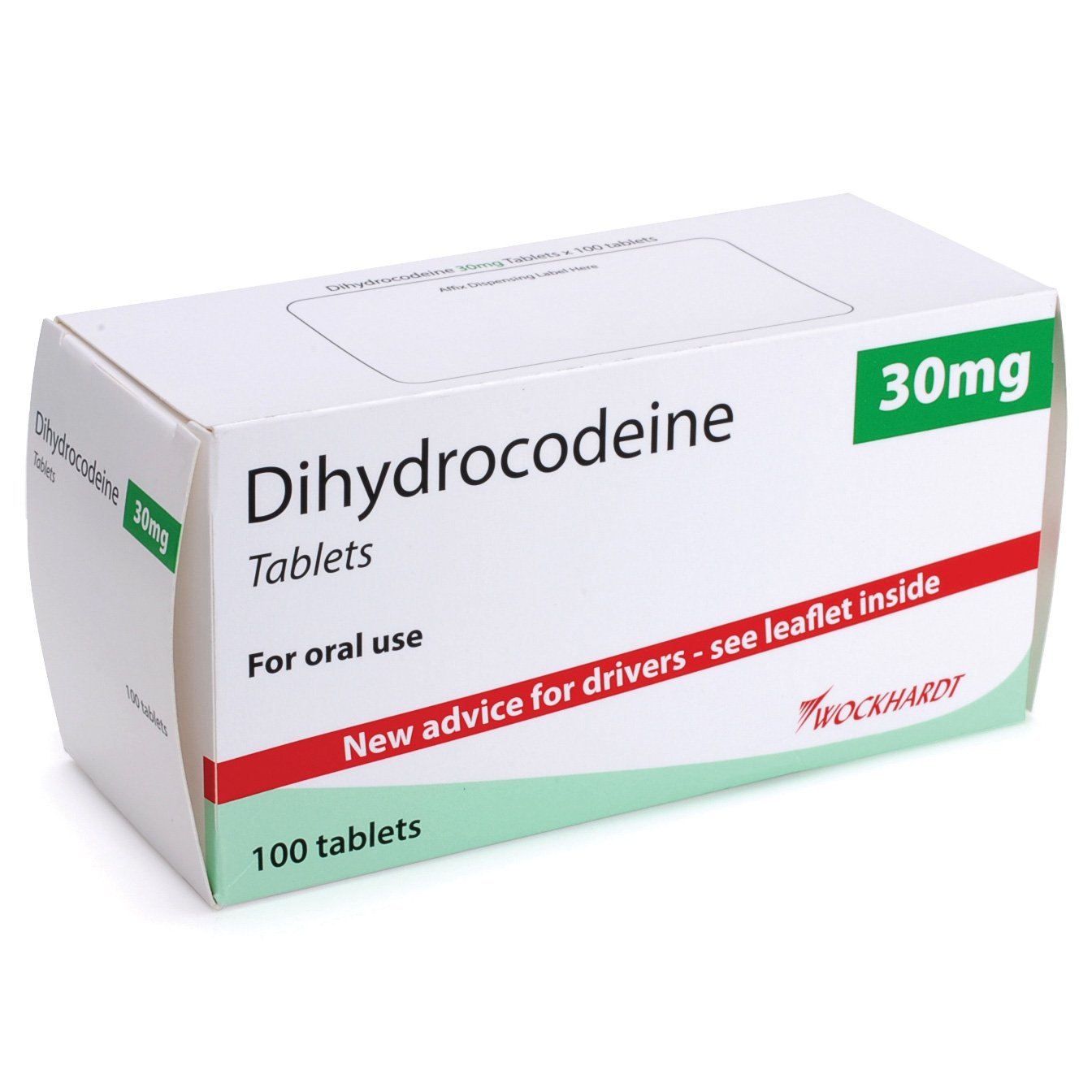
Dihydrocodeine is a stronger opioid analgesic than codeine and is prescribed when pain does not respond to weaker medications.
➤ Dihydrocodeine 30mg Tablets
Used for:
-
Severe musculoskeletal pain
-
Post-surgical recovery
-
Short-term pain control under supervision
🔗 Read our full medical overview of Dihydrocodeine 30mg tablets to understand when it is prescribed in the UK.
⚖️ Codeine vs Dihydrocodeine: Key Differences
| Feature | Codeine | Dihydrocodeine |
|---|---|---|
| Strength | Mild–Moderate | Moderate–Strong |
| Onset | Slower | Faster |
| Use Case | Short-term pain | More severe pain |
| Regulation | Controlled | Controlled |
🔗 For a deeper comparison, visit our Codeine vs Dihydrocodeine comparison guide.
🚨 Safety, Side Effects & UK Guidance
All opioid medicines carry risks if misused.
Common Side Effects:
-
Drowsiness
-
Constipation
-
Nausea
-
Dizziness
Serious Risks:
-
Dependency with long-term use
-
Breathing difficulties at high doses
-
Interaction with alcohol or sedatives
📌 UK medical guidance recommends:
-
Using the lowest effective dose
-
Short-term use only
-
Regular review by a healthcare professional
🔗 You can also read our opioid safety and responsible use guide for UK patients.
❓ Frequently Asked Questions (SEO-Optimised)
Is codeine prescription-only in the UK?
Yes. Higher-strength codeine formulations require a prescription and pharmacist supervision.
Can dihydrocodeine be used long term?
Generally no. Long-term use requires specialist medical oversight due to dependency risk.
Which is stronger: codeine or dihydrocodeine?
Dihydrocodeine is considered stronger and is prescribed when codeine is ineffective.