Summary
Pain can affect everyday life and reduce the ability to work, sleep, or carry out daily activities. When mild painkillers are not effective, doctors may prescribe stronger medications to help control moderate to severe pain.
Strong Painkillers in the UK: Codeine,
Tramadol, Pregabalin and Other Medicines
Pain can affect everyday life and reduce the ability to work, sleep, or carry out daily activities. When mild painkillers are not effective, doctors may prescribe stronger medications to help control moderate to severe pain.
In the United Kingdom, healthcare professionals sometimes prescribe medicines such as Codeine Phosphate, Dihydrocodeine, Pregabalin, Co-codamol, Diazepam and Tramadol depending on the type and severity of pain.
These medicines work in different ways and are generally used only under medical supervision.
Codeine Phosphate for Pain Relief
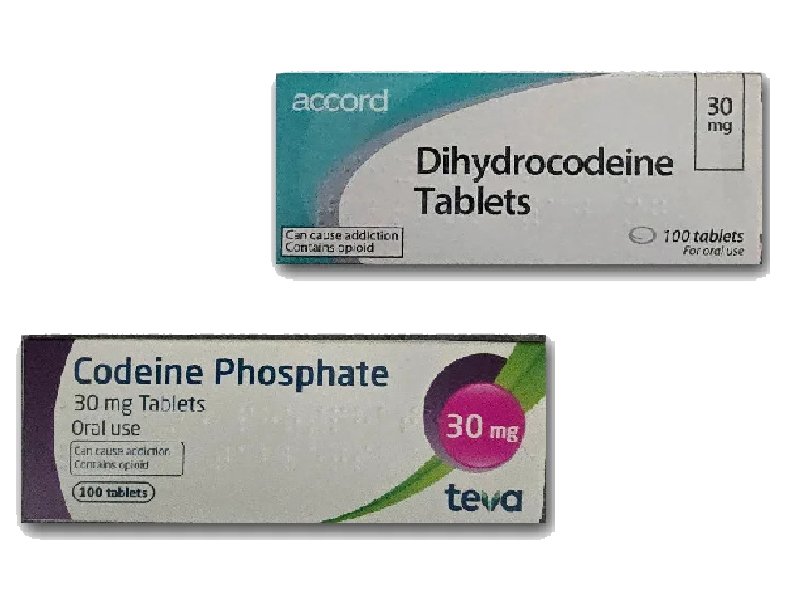
Codeine Phosphate is a commonly prescribed opioid pain medicine used to treat moderate pain when standard painkillers are not effective.
Doctors may prescribe codeine phosphate for conditions such as:
- post-surgery pain
- dental pain
- injury related pain
- persistent headaches or migraines
Codeine works by changing the way the brain and nervous system respond to pain signals. It is often used for short-term treatment because long-term use may lead to dependence.
Dihydrocodeine for Moderate to Severe
Pain
Dihydrocodeine is another opioid medicine used when stronger pain relief is required. It works similarly to codeine but is sometimes prescribed for more persistent pain conditions.
Common situations where dihydrocodeine may be used include:
- chronic pain conditions
- injury recovery
- severe back pain
- arthritis related pain
Because it is a strong medication, doctors normally monitor its use carefully.
Co-codamol Combination Pain Medicine
Co-codamol is a combination medicine that contains codeine and paracetamol. This combination provides stronger pain relief than paracetamol alone.
Co-codamol is commonly used for:
- migraines and headaches
- tooth pain
- muscular pain
- post-operative recovery
Different strengths of co-codamol are available, and higher strengths usually require a prescription from a doctor.
Pregabalin for Nerve Pain
Pregabalin is widely used to treat nerve-related pain, also known as neuropathic pain. This type of pain may feel like burning, tingling, or electric shocks.
Pregabalin is often prescribed for conditions such as:
- nerve damage
- sciatica
- fibromyalgia
- diabetic nerve pain
Instead of working like traditional painkillers, pregabalin helps calm nerve signals that cause pain.
Diazepam for Muscle Relaxation and
Anxiety
Diazepam is a medication that belongs to a group of drugs called benzodiazepines. It is commonly used for muscle spasms, anxiety, and sometimes severe muscle-related pain.
Doctors may prescribe diazepam for:
- muscle spasms
- back pain related to muscle tension
- anxiety conditions
- sleep problems caused by stress
Because diazepam can cause drowsiness, it is usually prescribed for short-term treatment.
Tramadol for Strong Pain Relief
Tramadol is a powerful pain medicine used to treat moderate to severe pain that cannot be controlled with standard painkillers.
It may be prescribed for:
-
surgery recovery
-
injury related pain
-
chronic pain conditions
- severe musculoskeletal pain
Tramadol works by affecting pain signals in the brain and nervous system, helping reduce the sensation of pain.
Safety and Responsible Use
Strong pain medicines should always be used carefully and under professional medicalguidance.
Important safety points include:
-
Always follow the prescribed dosage
-
Do not mix medicines without medical advice
-
Avoid alcohol when taking strong pain medicines
- Speak to a healthcare professional if side effects occur
Using medicines responsibly helps reduce the risk of complications and ensures effective pain management.
When to Seek Medical Advice
You should consult a healthcare professional if:
-
pain lasts longer than expected
-
pain becomes severe or persistent
-
normal painkillers are not effective
- new symptoms appear alongside pain
A doctor can help identify the cause of pain and recommend the most appropriate treatment.
Conclusion
Strong pain medicines such as Codeine Phosphate, Dihydrocodeine, Pregabalin, Co-codamol, Diazepam and Tramadol play an important role in modern pain management when used correctly.
Understanding how these medicines work and using them responsibly can help patients manage pain effectively while maintaining safety and wellbeing.
If you are experiencing persistent pain, consulting a healthcare professional is the best step toward finding the right treatment.