Buy Sleeping Pills UK –
Managing moderate to severe pain can sometimes require stronger treatment when other pain-relief options have not provided adequate relief. One medicine that may be prescribed in certain circumstances is dihydrocodeine, an opioid painkiller used to manage particular types of pain.
Like other opioid medicines, dihydrocodeine requires careful use. It can cause side effects such as drowsiness, nausea and constipation, while repeated or prolonged use may lead to physical dependence. Taking too much can also cause serious breathing problems.
This guide explains how dihydrocodeine works, why it may be prescribed, its potential side effects and the important safety precautions UK patients should understand. It is intended for general educational purposes and should not replace personalised advice from a healthcare professional.
What Is Dihydrocodeine?
Dihydrocodeine is an opioid painkiller.
Opioids work by acting on receptors in the brain and nervous system involved in how the body experiences pain. By changing the perception of pain signals, dihydrocodeine may provide relief when clinically appropriate.
It is available in different formulations, including immediate-release and modified-release preparations.
Because formulations can work differently, patients should always follow the instructions provided specifically for their medicine.
What Is Dihydrocodeine Used For?
Dihydrocodeine may be prescribed for certain types of moderate to severe pain, particularly when other treatment options have not provided sufficient relief.
Depending on the individual situation, this could include pain associated with:
- Injuries
- Recovery following certain procedures
- Some ongoing painful conditions
- Other situations where stronger pain relief is considered appropriate
Dihydrocodeine treats the experience of pain rather than necessarily addressing its underlying cause.
Persistent or worsening pain should therefore be medically assessed rather than managed indefinitely without professional review.
How Does Dihydrocodeine Work?
Pain signals travel through the nervous system before being interpreted by the brain.
Dihydrocodeine acts on opioid receptors within the central nervous system. This changes how strongly the brain perceives pain signals.
The medicine can therefore reduce the sensation of pain, but individual responses vary.
Factors including the cause of pain, other medicines and individual health circumstances may influence how well someone responds to treatment.
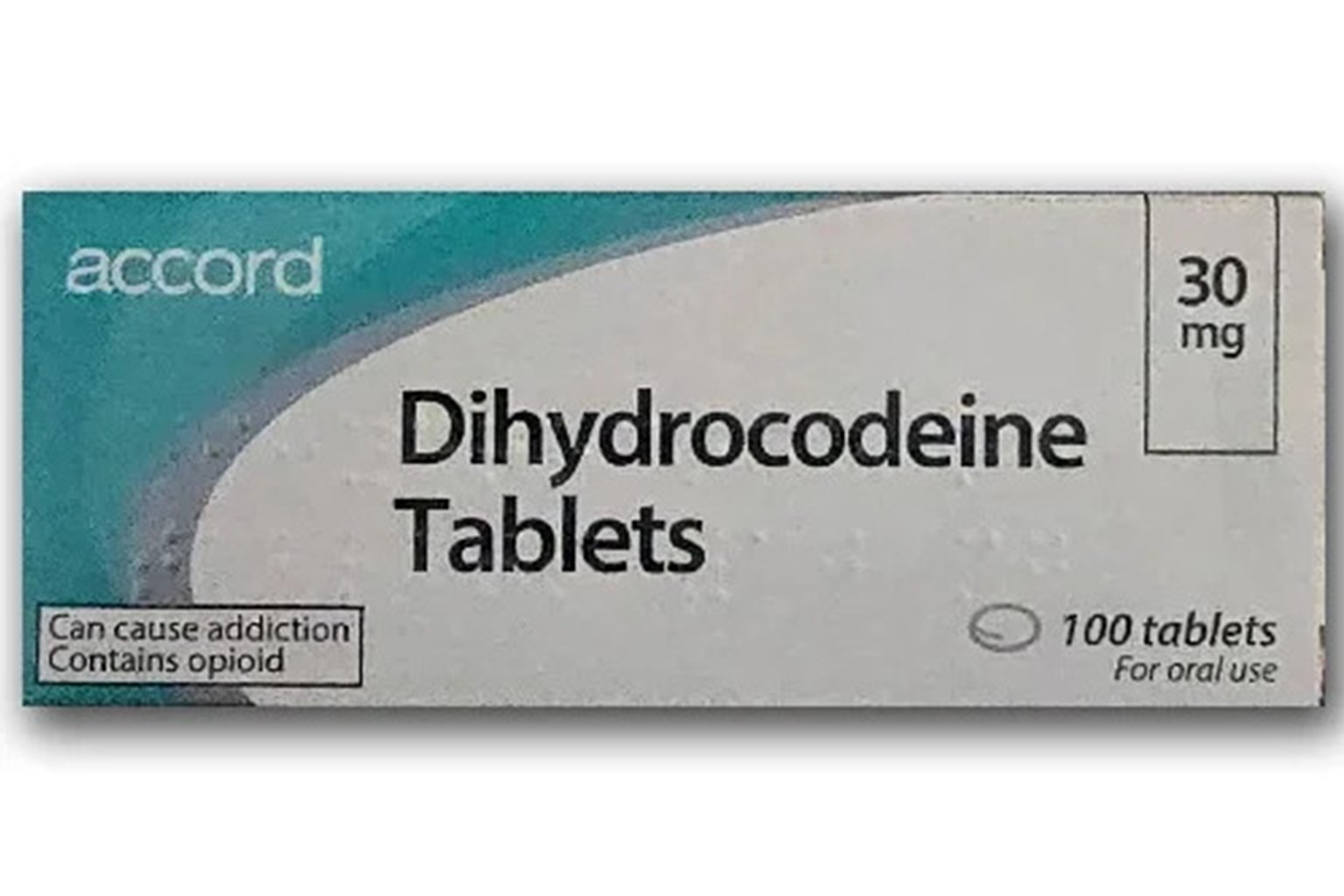
What Is Dihydrocodeine 30mg?
Dihydrocodeine 30mg is one strength that may be encountered in immediate-release tablet formulations.
The appropriate strength and dosing schedule must be determined by a qualified healthcare professional based on individual circumstances.
Patients should never assume that a particular strength is appropriate simply because another person takes it.
Taking more than directed can increase the risk of:
- Excessive drowsiness
- Confusion
- Loss of consciousness
- Dangerous breathing problems
- Overdose
Always follow the instructions supplied with your medicine.
How Long Does Dihydrocodeine Take to Work?
How quickly dihydrocodeine begins to provide pain relief depends partly on the formulation being used.
Immediate-release and modified-release products are designed differently and should not be treated as interchangeable.
Several factors may also affect the medicine’s action, including:
- Individual metabolism
- Age
- Other medicines
- The severity of pain
- The specific formulation
Never take an additional dose simply because the medicine does not appear to be working quickly enough.
Speak with your prescriber if your prescribed treatment is not adequately controlling your pain.
Common Side Effects of Dihydrocodeine
Like other opioid medicines, dihydrocodeine can cause side effects.
Commonly reported effects may include:
- Constipation
- Feeling sick
- Vomiting
- Drowsiness
- Dizziness
- Dry mouth
Not everyone experiences the same effects.
If side effects are persistent, severe or concerning, seek advice from a healthcare professional.
Dihydrocodeine and Constipation
Constipation is a common problem associated with opioid medicines.
This happens because opioids can slow movement through the digestive system.
General measures that may help include:
- Drinking adequate fluids
- Eating appropriate fibre-rich foods
- Remaining physically active where possible
Some people may require additional treatment for opioid-related constipation. A pharmacist or prescriber can provide individual advice.
Can Dihydrocodeine Make You Sleepy?
Yes. Dihydrocodeine can cause drowsiness and dizziness.
These effects may reduce your ability to:
- Drive safely
- Operate machinery
- Concentrate
- React quickly
Do not drive if you feel sleepy, dizzy or otherwise impaired.
Having a prescription does not mean it is safe to drive when a medicine is affecting your abilities.
Can Dihydrocodeine Cause Dependence?
Yes.
Because dihydrocodeine is an opioid, regular or prolonged use can lead to physical dependence. Misuse may also lead to addiction.
Risk can increase with:
- Longer treatment periods
- Taking higher amounts than prescribed
- Increasing doses without medical advice
- Using the medicine for reasons other than its intended purpose
If you are concerned about dependence, speak with your healthcare professional.
Do not suddenly stop regular long-term opioid treatment without appropriate medical advice, as withdrawal symptoms may occur.
What Are the Signs of Opioid Dependence?
Possible warning signs can include:
- Feeling unable to manage without the medicine
- Taking more than prescribed
- Running out earlier than expected
- Thinking frequently about the next dose
- Continuing use despite negative consequences
Physical dependence and addiction are not exactly the same, but both require appropriate professional management.
Early conversations with a healthcare professional can help ensure safer treatment decisions.
Dihydrocodeine and Breathing Problems
Opioids can slow breathing, particularly when too much is taken or when they are combined with other sedating substances.
Seek emergency medical assistance if someone taking dihydrocodeine develops:
- Slow or shallow breathing
- Extreme sleepiness
- Difficulty waking
- Severe confusion
- Loss of consciousness
- Blue or grey lips or skin
These symptoms can indicate an opioid overdose and require immediate medical attention.
Can You Drink Alcohol With Dihydrocodeine?
Combining alcohol with dihydrocodeine can increase central nervous system depression.
This may increase the risk of:
- Severe drowsiness
- Poor coordination
- Accidents
- Loss of consciousness
- Dangerous breathing problems
Follow the advice supplied with your medicine and from your healthcare professional regarding alcohol.
Dihydrocodeine and Other Sedating Medicines
Extra caution is required when dihydrocodeine is combined with medicines that also cause sedation.
This can include certain:
- Sleeping medicines
- Anxiety medicines
- Benzodiazepines
- Other opioid painkillers
- Sedating antihistamines
Combining sedating medicines can increase the risk of excessive drowsiness and respiratory depression.
Always tell your doctor or pharmacist about all medicines you are taking.
Dihydrocodeine vs Codeine: What’s the Difference?
Dihydrocodeine and codeine both belong to the opioid family of painkillers.
Although they work through similar pathways, they are different medicines and should not be considered automatically interchangeable.
The appropriate option depends on factors such as:
- The type of pain
- Pain severity
- Individual response
- Other health conditions
- Other medicines being taken
A healthcare professional should determine which treatment is appropriate.
Never switch between opioid medicines or combine them without professional advice.
Who Should Take Extra Care With Dihydrocodeine?
Dihydrocodeine may not be suitable for everyone.
Additional medical assessment may be particularly important for people with certain:
- Breathing problems
- Liver conditions
- Kidney conditions
- Digestive problems
Older adults may also be more sensitive to opioid side effects such as drowsiness and confusion.
Pregnancy and breastfeeding require individual medical advice.
Always provide your prescriber with accurate information about your health and other medicines.
How to Take Dihydrocodeine More Safely
If dihydrocodeine has been prescribed for you:
- Take only the prescribed amount.
- Follow the dosing schedule provided.
- Do not increase the dose yourself.
- Never share your medicine.
- Avoid unsafe combinations with alcohol or sedatives.
- Keep opioid medicines securely stored.
- Seek advice if pain is not adequately controlled.
- Discuss ongoing treatment regularly with your healthcare professional.
If you accidentally take more than prescribed, seek urgent professional advice rather than waiting for symptoms to develop.
When Should You Speak to a Healthcare Professional?
Contact an appropriate healthcare professional if:
Seek professional advice if:
- Your pain continues to worsen.
- The medicine no longer appears effective.
- You experience troublesome side effects.
- You feel increasingly dependent on dihydrocodeine.
- You want to stop after taking it regularly.
- You find yourself wanting to take more than prescribed.
Increasing your dose without professional guidance can be dangerous.
FAQ
What is dihydrocodeine used for?
The term generally refers to 10mg diazepam tablets associated with Martin Dow branding or manufacturing. Diazepam is a benzodiazepine medicine with specific medical uses and important safety risks.
Is dihydrocodeine stronger than codeine?
They are different opioid medicines. Their effects and appropriate use depend on individual circumstances, so direct comparisons should not be used to guide self-treatment.
What are the common side effects of dihydrocodeine?
Common side effects can include constipation, nausea, vomiting, drowsiness and dizziness.
Can dihydrocodeine make you sleepy?
Yes. Dihydrocodeine can cause drowsiness and dizziness. Do not drive or operate machinery if you are affected.
Can you become dependent on dihydrocodeine?
Yes. Regular or prolonged use can lead to physical dependence, and misuse can lead to addiction.
Can I take dihydrocodeine with diazepam?
Combining an opioid such as dihydrocodeine with a benzodiazepine such as diazepam can increase the risk of severe sedation and dangerous breathing problems. Such combinations should only be used under appropriate professional medical supervision.
What should I do if dihydrocodeine is not controlling my pain?
Do not increase the dose yourself. Speak with your prescriber or another appropriate healthcare professional so your pain and treatment can be reassessed.
Conclusion
Dihydrocodeine is an opioid painkiller that may be prescribed for certain types of moderate to severe pain. While it can provide effective pain relief when appropriately used, it also carries important risks.
Side effects can include constipation, nausea, dizziness and drowsiness. More serious risks include dependence and dangerous breathing problems, particularly when excessive amounts are taken or dihydrocodeine is combined with alcohol or other sedating substances.
Anyone prescribed dihydrocodeine should follow their healthcare professional’s instructions carefully and avoid increasing the dose without advice.
If pain persists, side effects become difficult to manage or you are concerned about dependence, speak with an appropriate healthcare professional. Safe opioid treatment requires regular assessment of both the benefits and potential risks.