
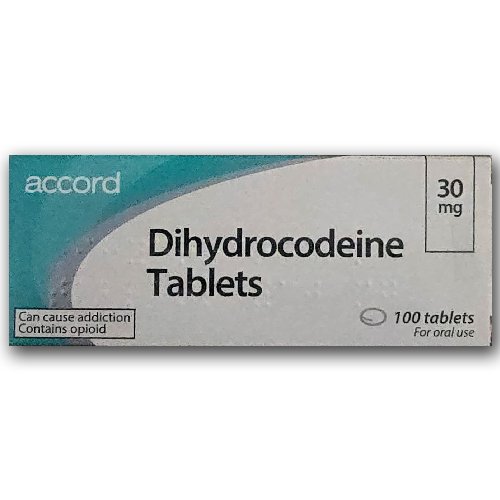
Description
Dihydrocodeine 30mg Tablets
Dihydrocodeine 30mg Tablets are a prescription-only opioid medicine used to relieve moderate to severe pain when other painkillers may not provide sufficient relief. Dihydrocodeine should only be taken exactly as prescribed by a qualified healthcare professional.
This page provides general information about dihydrocodeine 30mg tablets, including their uses, how they work, possible side effects, precautions and important safety information. Always read the patient information leaflet supplied with your medicine.
How Does Dihydrocodeine Work?
Dihydrocodeine belongs to the opioid class of medicines. It works by:
-
Binding to opioid receptors in the brain and spinal cord
-
Blocking pain signals from reaching the brain
-
Changing how the body perceives pain
This provides effective relief when standard painkillers are insufficient.
How to Take Dihydrocodeine 30mg Tablets
Dihydrocodeine 30mg Tablets should be taken exactly as prescribed by your doctor or other qualified healthcare professional. Do not change the prescribed dose or frequency without medical advice.
Always follow the instructions provided with your prescription and the patient information leaflet supplied with the medicine.
This avoids giving a generic dosing schedule that might not apply to every patient.
Dosage & Instructions
Important: Always follow the dosage instructions provided by a healthcare professional.
General UK guidance:
-
Usually taken every 4–6 hours as required
-
Swallow tablets whole with water
-
Can be taken with or without food
-
Intended for short-term use only
Do not exceed the prescribed dose or use for longer than advised.
Dihydrocodeine and Alcohol
Alcohol can increase the sedative effects of opioid medicines such as dihydrocodeine. Avoid alcohol unless your doctor or pharmacist has advised that it is safe for you.
Dihydrocodeine and Other Medicines
Tell your doctor or pharmacist about all medicines you take before using dihydrocodeine. Some medicines can increase drowsiness or affect breathing when combined with opioid medicines.
Driving and Dihydrocodeine
Dihydrocodeine may cause drowsiness, dizziness or reduced alertness. Do not drive or operate machinery if you feel affected. If you are unsure whether you can drive safely, speak with your healthcare professional.
Dependence and Withdrawal
Dihydrocodeine is an opioid medicine and prolonged use can lead to tolerance, dependence and withdrawal symptoms. Take it only as prescribed and speak to your doctor before stopping treatment, particularly if you have been taking it regularly.
Possible Side Effects
Common side effects may include:
-
Drowsiness or dizziness
-
Constipation
-
Nausea or vomiting
-
Dry mouth
-
Headache
Seek medical attention immediately if you experience:
-
Difficulty breathing
-
Severe drowsiness or confusion
-
Hallucinations
-
Signs of an allergic reaction
Warnings & Precautions
Before taking Dihydrocodeine, inform your healthcare provider if you:
-
Have a history of substance misuse or opioid dependence
-
Have breathing problems, asthma, or COPD
-
Have liver or kidney disease
-
Are pregnant or breastfeeding
-
Are taking other medicines that cause drowsiness
Important safety advice:
-
Avoid alcohol while taking this medicine
-
Do not drive or operate machinery if you feel drowsy
-
Do not share this medication with others
Frequently Asked Questions
1. What is Dihydrocodeine 30mg used for?
Dihydrocodeine is a prescription opioid painkiller used to relieve moderate to severe pain when other painkillers may not provide adequate relief.
2.Is Dihydrocodeine addictive?
Dihydrocodeine can cause dependence and addiction, particularly when it is taken for longer or at higher doses than prescribed. Follow your healthcare professional’s instructions carefully.
3.How long does Dihydrocodeine take to work?
The onset of pain relief can vary between individuals. Follow your prescription and patient information leaflet for guidance.
4. Can I drink alcohol while taking Dihydrocodeine?
Alcohol can increase the sedative effects of opioid medicines. Speak with your doctor or pharmacist about alcohol and dihydrocodeine..
5.Can I drive after taking Dihydrocodeine?
Dihydrocodeine can cause drowsiness or dizziness. Do not drive or operate machinery if you are affected.
6.Is Dihydrocodeine 30mg prescription-only in the UK?
Yes. Dihydrocodeine 30mg tablets are prescription-only medicine in the UK and should be used under appropriate medical supervision.






Reviews
There are no reviews yet.