Buy Sleeping Pills UK –
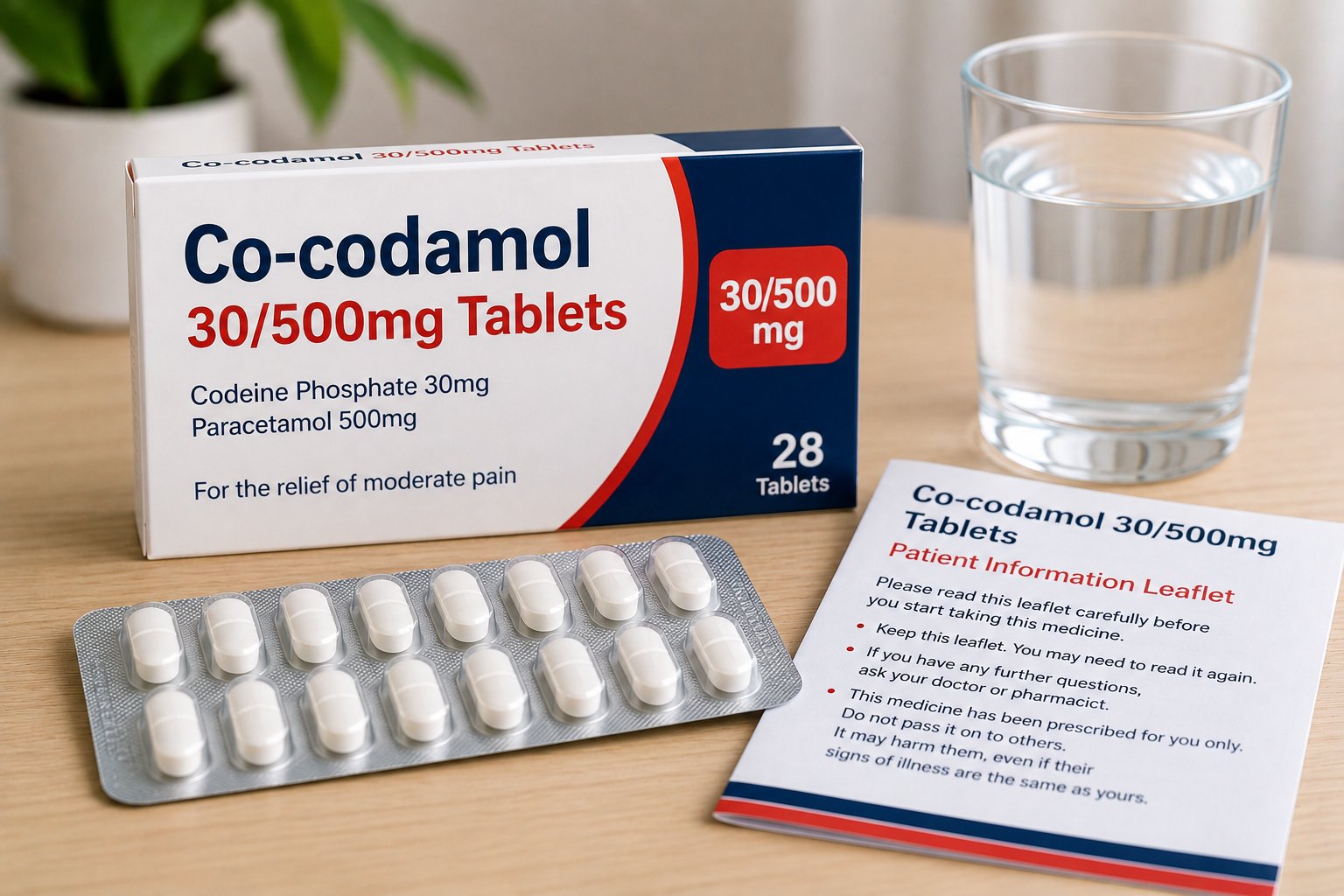
Co-codamol 30/500mg is a prescription painkiller containing two active ingredients: 30mg of codeine phosphate and 500mg of paracetamol in each tablet or capsule. It is used to relieve pain when simpler painkillers have not provided enough relief.
The combination works in two different ways. Paracetamol helps reduce pain, while codeine is an opioid that changes how the brain and nervous system respond to pain.
The combination works in two different ways. Paracetamol helps reduce pain, while codeine is an opioid that changes how the brain and nervous system respond to pain.
Important: This article is for general information only and does not replace advice from a doctor or pharmacist. Always follow the instructions on your prescription.
What Is Co-codamol 30/500mg?
Co-codamol is a combination medicine containing:
The numbers 30/500 refer to the amount of each ingredient contained in one tablet or capsule.
Co-codamol is available in different strengths. According to the NHS, the 30/500mg strength is one of the higher strengths and is available on prescription in the UK.
The combination of codeine and paracetamol can provide stronger pain relief than either ingredient alone for certain types of pain.
What Is Co-codamol 30/500mg Used For?
Co-codamol can be prescribed for different types of moderate pain, including:
- Muscle and joint pain
- Toothache
- Pain following an injury
- Pain following an operation
- Other painful conditions where simpler painkillers have not worked sufficiently
The NHS notes that co-codamol may be used when everyday painkillers such as paracetamol or ibuprofen alone have not provided adequate relief.
Whether co-codamol 30/500mg is appropriate depends on the cause and severity of the pain and the individual’s medical history.
How Does Co-codamol Work?
Co-codamol combines two medicines that work differently.
Paracetamol
Paracetamol helps reduce pain by affecting chemical messengers involved in pain signalling in the brain and nervous system.
Codeine
Codeine belongs to a group of medicines called opioids. It works on opioid receptors in the central nervous system, helping reduce the perception of pain.
Codeine can also affect the digestive system, which is one reason constipation is a common side effect.
Co-codamol can take up to around one hour to work and its effects can last for several hours.
How Should Co-codamol 30/500mg Be Taken?
Always take co-codamol exactly as prescribed by your doctor or as directed by your pharmacist.
For general NHS adult guidance, co-codamol doses are separated by at least 4 to 6 hours, and adults should not take more than 8 tablets in 24 hours. However, your own prescription may contain specific instructions that you should follow.
Important safety points
- Never take more than the prescribed amount.
- Do not take two doses closer together to make up for a missed dose.
- Do not increase your dose because your pain feels worse.
- Do not take additional paracetamol-containing medicines unless a healthcare professional has advised you to.
- If you have been taking co-codamol regularly for several weeks, speak to your doctor before stopping it.
Never exceed the recommended amount. Too much paracetamol can cause serious liver damage, even if you initially feel well.
Common Side Effects of Co-codamol 30/500mg
Like all medicines, co-codamol can cause side effects, although not everyone experiences them.
Common side effects include:
- Constipation
- Feeling sick or being sick
- Sleepiness
- Dizziness
- Tiredness
Higher strengths of co-codamol can make side effects more likely.
If you experience persistent or troublesome side effects, speak with your doctor or pharmacist.
Can Co-codamol Cause Dependence?
Yes. The codeine component of co-codamol is an opioid, which means there is a risk of tolerance, dependence and addiction, particularly with prolonged or inappropriate use.
Taking co-codamol for a long period can cause your body to become tolerant to codeine. In some cases, people can also become more sensitive to pain, a condition known as hyperalgesia.
The UK medicines regulator also highlights dependence and addiction as important risks associated with opioid medicines, including codeine-containing medicines such as co-codamol.
If you have concerns about dependence, talk to your doctor rather than changing your treatment yourself.
Can You Take Co-codamol With Paracetamol?
Do not take additional paracetamol with co-codamol unless your doctor has specifically advised you to do so.
This is because every co-codamol tablet already contains 500mg of paracetamol.
Some cold and flu remedies, migraine medicines and other painkillers may also contain paracetamol. Taking several products together could unintentionally result in too much paracetamol.
Always check the ingredients of other medicines before taking them alongside co-codamol.
Co-codamol 30/500mg and Alcohol
Alcohol can increase some of the effects of codeine, including sleepiness and impaired alertness.
For this reason, it is sensible to avoid alcohol while taking co-codamol unless your doctor or pharmacist tells you otherwise.
If you feel sleepy, dizzy or less alert after taking co-codamol, do not drive or operate machinery.
Co-codamol Interactions
Co-codamol can interact with other medicines.
Tell your doctor or pharmacist if you take:
- Sleeping tablets
- Tranquillisers such as diazepam
- Certain antidepressants
- Anti-sickness medicines
- Anticoagulants such as warfarin
- Some antibiotics
- Epilepsy medicines
- Other opioid medicines
Particular caution is required when opioids are combined with medicines that can cause sedation or affect breathing.
Always provide your doctor or pharmacist with a complete list of medicines, supplements and herbal products you use.
Who Should Speak to a Doctor Before Taking Co-codamol?
Co-codamol may not be suitable for everyone.
Tell your doctor before taking it if you have:
- Breathing or lung problems
- Liver problems
- A history of seizures
- A head injury
- Adrenal gland problems
- Problems with alcohol use
- Other conditions that may affect your response to opioids
You should also tell your doctor if you are pregnant, planning a pregnancy or breastfeeding.
Co-codamol During Pregnancy and Breastfeeding
If you are pregnant, speak to your doctor before using co-codamol.
The NHS states that co-codamol may sometimes be used during pregnancy, but long-term use is not recommended because codeine can affect the baby, particularly when used towards the end of pregnancy.
Co-codamol should not be taken while breastfeeding because codeine can pass into breast milk and potentially cause breathing problems in the baby.
What Happens If You Take Too Much Co-codamol?
Taking too much co-codamol can be dangerous because of both codeine and paracetamol.
An excessive amount of paracetamol can cause serious liver damage, while too much codeine can cause severe drowsiness and breathing problems.
If you take more than the recommended amount, seek urgent medical advice even if you feel well. The NHS advises contacting NHS 111 after taking more than the recommended dose, while breathing difficulties after an overdose require emergency treatment.
Can You Stop Co-codamol Suddenly?
However, people who have taken codeine regularly for longer periods can experience withdrawal symptoms if they stop suddenly.
Possible withdrawal symptoms include:
- Anxiety
- Restlessness
- Difficulty sleeping
- Sweating
- Shaking
- Body aches
- Feeling agitated
If you have been taking co-codamol regularly for several weeks, speak to your doctor before stopping. Your doctor may recommend gradually reducing the medicine.
How to Use Co-codamol More Safely
If co-codamol has been prescribed for you:
- Follow your prescription carefully.
- Never exceed the recommended dose.
- Check other medicines for paracetamol.
- Avoid combining it with other medicines that cause drowsiness unless advised.
- Avoid alcohol.
- Do not drive if you feel sleepy or dizzy.
- Do not share your medicine with anyone else.
- Keep medicines safely away from children.
- Speak to your doctor before stopping long-term treatment.
- Seek medical help if you accidentally take too much.
When Should You Seek Medical Help?
Seek urgent medical attention if you experience symptoms such as:
- Difficulty breathing
- Severe or unusual sleepiness
- Loss of consciousness
- Severe confusion
- Signs of a serious allergic reaction
- Suspected overdose
If you have taken more co-codamol than recommended, seek urgent advice even if you currently feel well because paracetamol poisoning may not cause immediate symptoms.
Key Takeaways
Co-codamol 30/500mg contains 30mg codeine and 500mg paracetamol per tablet or capsule.
The main points to remember are:
- It is used to treat certain types of moderate pain.
- The 30/500mg strength is prescription-only in the UK.
- Codeine is an opioid and can cause dependence and addiction.
- Paracetamol overdose can cause serious liver damage.
- Do not take additional paracetamol without professional advice.
- Alcohol and other sedating medicines can increase risks.
- Follow your prescription carefully.
- Speak to a healthcare professional if you are concerned about side effects or dependence.
FAQ
Is Co-codamol 30/500mg strong?
It is one of the higher strengths of co-codamol available in the UK, containing 30mg of codeine and 500mg of paracetamol per tablet or capsule. It should only be taken according to a healthcare professional’s instructions.
How long does Co-codamol 30/500mg take to work?
Co-codamol can take up to around one hour to start working, according to NHS information.
Can I take paracetamol with Co-codamol 30/500mg?
Do not take additional paracetamol with co-codamol unless a doctor has specifically advised you to. Co-codamol already contains 500mg of paracetamol per tablet or capsule.
Can Co-codamol 30/500mg become addictive?
Yes. The codeine in co-codamol can lead to dependence and addiction, particularly with prolonged use.
Can I drink alcohol while taking Co-codamol?
Alcohol can increase drowsiness and other unwanted effects associated with codeine. It is safest to avoid alcohol while taking co-codamol unless your healthcare professional advises otherwise.
Can I take Co-codamol while breastfeeding?
No. NHS guidance advises against taking co-codamol while breastfeeding because codeine can pass into breast milk and may cause breathing problems in a baby.
Conclusion
Co-codamol 30/500mg combines codeine and paracetamol to provide pain relief when simpler painkillers may not have been sufficient. However, because it contains an opioid, responsible use is particularly important.
Understanding the correct use, possible side effects, medicine interactions and dependence risks can help patients use co-codamol more safely.
If you have questions about your prescribed dose, other medicines or how long you should take co-codamol, speak with your doctor or pharmacist rather than changing your treatment yourself.