Buy Sleeping Pills UK –
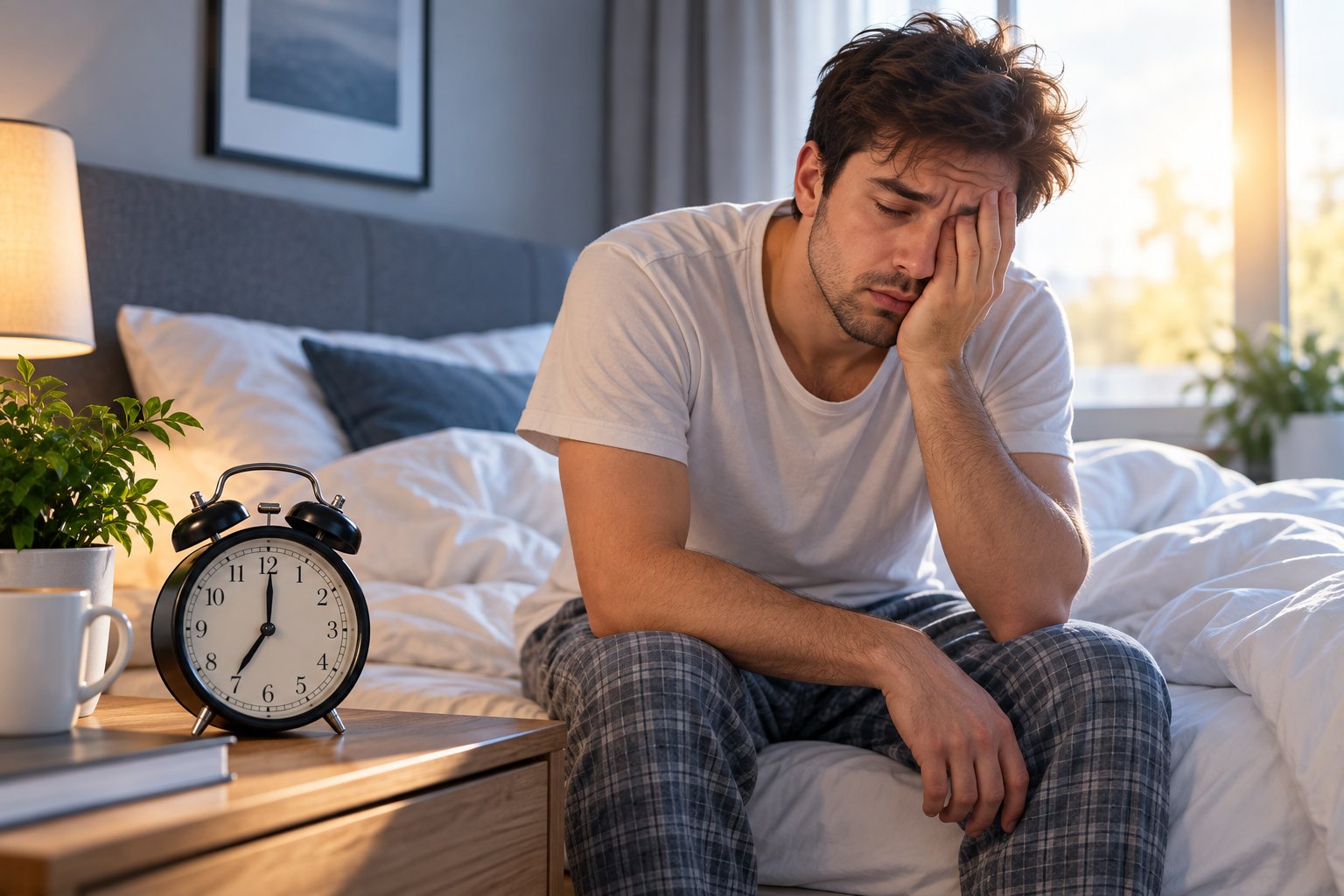
Getting what seems like a full night’s sleep does not always mean you will wake up feeling refreshed.
If you regularly wake up tired after sleeping for seven, eight or even nine hours, you may wonder why you still feel exhausted. The answer is that sleep duration is only one part of healthy sleep. Sleep quality, your routine, stress levels, lifestyle and certain health conditions can all affect how refreshed you feel in the morning.
Most adults need around 7 to 9 hours of sleep per night, although individual needs vary. The NHS notes that regularly feeling tired during the day can be a sign that your sleep is not meeting your needs.
In this guide, we look at some of the most common reasons you may wake up tired after a full night’s sleep and what you can do to improve your sleep routine.
Is It Normal to Feel Tired When You Wake Up?
Feeling slightly sleepy when you first get out of bed is not necessarily a problem. Your body may simply need some time to transition from sleep to wakefulness.
However, regularly waking up exhausted, struggling to get out of bed or feeling sleepy throughout the day may suggest that your sleep is not sufficiently restorative.
The NHS advises speaking to a GP if tiredness continues for a few weeks, affects daily life or occurs alongside other symptoms.
The important question is therefore not simply:
“How many hours did I sleep?”
It is also:
“How good was my sleep?”
1. Your Sleep Quality May Be Poor
You can spend eight hours in bed without getting eight hours of good-quality sleep.
For example, you might:
- Wake up several times without remembering every waking
- Spend long periods in lighter sleep
- Have an uncomfortable bedroom
- Experience noise or light during the night
- Go to bed at inconsistent times
- Have difficulty falling back asleep after waking
These interruptions can make your sleep less refreshing even if your total time in bed looks adequate.
The NHS lists repeated waking, difficulty falling asleep and waking too early among common signs of insomnia.
What can help?
Try keeping your bedroom:
- Dark
- Quiet
- Comfortable
- At a suitable temperature
A regular bedtime and wake-up time can also help your body establish a more consistent sleep routine.
2. Your Sleep Schedule May Be Irregular
Going to bed at 10pm one night and 1am the next can make it harder for your body to maintain a predictable sleep rhythm.
This can happen when you:
- Sleep much later at weekends
- Work changing shifts
- Stay up late using your phone
- Have different bedtimes every night
- Sleep in for several hours after a poor night’s sleep
A consistent routine can make it easier for your body to recognise when it is time to sleep and when it is time to wake.
The NHS recommends going to bed and getting up at around the same time each day when dealing with sleep problems.
Related guide
For more practical advice, read:
3. Stress and Anxiety Can Affect Your Sleep
You may be asleep physically while your mind remains highly active.
Work pressures, financial concerns, relationships and other everyday worries can make it difficult to relax before bed. Stress can also cause you to wake during the night or find it harder to return to sleep.
The NHS lists stress, anxiety and depression among common causes of insomnia and tiredness.
You may notice signs such as:
- Thinking about problems when trying to sleep
- Waking up during the night with a busy mind
- Feeling tense before bedtime
- Difficulty concentrating during the day
- Feeling tired despite spending enough time in bed
Creating a relaxing wind-down period before bedtime may help. Reading, listening to something relaxing or practising simple relaxation techniques can be useful.
4. Caffeine May Be Affecting Your Sleep
Coffee may help you feel more alert during the day, but caffeine can interfere with sleep if consumed too late.
Caffeine is a stimulant, and the NHS notes that its effects can last for several hours. It can contribute to disrupted sleep and daytime tiredness.
Remember that caffeine is not only found in coffee. It can also be present in:
- Tea
- Energy drinks
- Cola and other caffeinated soft drinks
- Chocolate
- Some medicines and supplements
If you regularly wake up tired, consider looking at when you consume caffeine rather than only how much you consume.
5. Alcohol Can Reduce Sleep Quality
Some people find that alcohol makes them feel sleepy initially. However, feeling sleepy after drinking does not necessarily mean you will get better-quality sleep.
The NHS explains that alcohol can result in less deep sleep, which may leave you feeling tired the following day even after a full night’s sleep.
If you regularly drink alcohol in the evening and wake feeling unrefreshed, consider whether there is a connection between the two.
6. Screen Time May Be Delaying or Disrupting Sleep
Phones, tablets, computers and televisions can become part of our bedtime routine.
Using a device late at night can affect sleep in several ways. Bright light can make it harder to wind down, while notifications, social media, gaming, work and other stimulating content can keep your brain engaged.
The NHS recommends avoiding smartphones and other screens in the hour before sleep when dealing with tiredness or sleep problems.
7. You May Have Sleep Apnoea
One important reason for waking up tired is sleep apnoea.
Sleep apnoea occurs when breathing repeatedly stops and starts during sleep. The most common form is obstructive sleep apnoea.
Possible signs include:
- Loud snoring
- Gasping or choking during sleep
- Breathing stopping and starting
- Frequently waking during the night
- Morning headaches
- Feeling very tired during the day
- Difficulty concentrating
You may not realise that your breathing is being interrupted because these events happen while you are asleep.
The NHS recommends speaking to a GP if you have symptoms such as breathing pauses, gasping or choking during sleep, or persistent daytime tiredness.
8. Your Lifestyle Could Be Contributing to Morning Tiredness
Daily habits can have a significant effect on sleep and energy.
Factors that may contribute to tiredness include:
- Not getting enough physical activity
- An inconsistent sleep routine
- An unhealthy diet
- Drinking too much alcohol
- Too much caffeine late in the day
- Smoking
- Spending very little time outdoors
- Long periods of sitting during the day
The NHS recommends regular exercise, a healthy diet and consistent sleeping times as part of managing tiredness.
You do not need to change everything at once. Start with one or two habits and build from there.
9. Your Bedroom Environment May Not Be Ideal
Your sleeping environment can affect how easily you fall asleep and how well you remain asleep.
Consider whether your bedroom is:
- Too bright
- Too noisy
- Too warm
- Too cold
- Uncomfortable
- Cluttered or distracting
A comfortable mattress and pillow can also make a difference.
The NHS recommends creating a bedroom environment that is dark, quiet and comfortable when dealing with insomnia and sleep problems.
10. Certain Medicines or Health Conditions Can Cause Tiredness
Sometimes morning tiredness is not primarily a sleep-habit issue.
The NHS lists several possible causes of ongoing tiredness, including:
- Iron deficiency anaemia
- Diabetes
- Thyroid problems
- Some infections
- Stress and depression
- Hormonal changes
- Certain medicines
- Sleep disorders
This does not mean that waking tired automatically indicates a medical condition. There can be many explanations.
However, if your tiredness is persistent or unexplained, it is better to discuss it with a healthcare professional rather than trying to diagnose yourself.
11. You May Be Sleeping for the Right Amount of Time but at the Wrong Time
Your body has an internal body clock, often called the circadian rhythm.
If your sleeping pattern regularly conflicts with your normal routine, you may find that you get enough hours but still feel tired when you wake.
This can happen with:
- Night-shift work
- Rotating shifts
- Frequent late nights
- Jet lag
- Irregular weekend schedules
A consistent sleep-wake routine can help your body maintain a more predictable pattern.
12. Feeling Tired Can Become a Cycle
Sometimes tiredness and poor sleep can reinforce each other.
For example:
Poor sleep → daytime tiredness → more caffeine → difficulty sleeping → poor sleep again
Or:
Stress → difficulty sleeping → tiredness → reduced concentration → more stress
Recognising this cycle can help you identify which habits may need attention.
Instead of simply trying to sleep for longer, look at your entire routine — including your daytime habits and what happens during the hour or two before bed.
How to Wake Up Feeling More Refreshed
If you regularly wake up tired, try these practical steps:
1. Keep a consistent wake-up time
Try to wake up at roughly the same time every day.
2. Give yourself enough time to sleep
Most adults need around 7–9 hours, although individual needs vary.
3. Reduce caffeine later in the day
Pay attention to coffee, tea, energy drinks and other sources of caffeine.
4. Limit alcohol close to bedtime
Alcohol may make you sleepy initially but can reduce sleep quality.
5. Reduce screen use before bed
Consider creating a screen-free period before going to sleep.
6. Make your bedroom comfortable
Keep it dark, quiet and comfortable.
7. Stay physically active
Regular daytime activity can support healthier sleep patterns.
8. Create a relaxing bedtime routine
Give yourself time to wind down instead of going directly from work, gaming or social media to bed.
When Should You Speak to a GP About Tiredness?
Occasional tiredness is common. However, persistent unexplained fatigue deserves attention.
According to the NHS, you should consider speaking to a GP if:
- You have been tired for several weeks without knowing why
- Tiredness is affecting your everyday life
- You have other symptoms such as unexplained weight loss or mood changes
- Someone has noticed that you gasp, snort, choke or stop breathing while sleeping
- You regularly feel extremely sleepy during the day
If you are frequently falling asleep during the day or your sleepiness is affecting daily activities, this should also be discussed with a healthcare professional.
Frequently Asked Questions
Why do I wake up tired after 8 hours of sleep?
Eight hours in bed does not always mean eight hours of restorative sleep. Poor sleep quality, repeated waking, stress, caffeine, alcohol, an irregular sleep schedule or conditions such as sleep apnoea can contribute to morning tiredness.
Why am I still tired after sleeping for 9 hours?
Sleeping longer does not necessarily solve the underlying cause of tiredness. If you regularly sleep for long periods but still feel exhausted, consider your sleep quality and speak to a GP if the problem continues.
Can stress make you tired even if you sleep enough?
Yes. Stress can interfere with falling asleep and staying asleep, and it is also a recognised contributor to tiredness and insomnia.
Does caffeine cause morning tiredness?
Caffeine can contribute indirectly by making it harder to sleep or reducing sleep quality when consumed later in the day. Its effects can last for several hours.
Can sleep apnoea make you wake up tired?
Yes. Interrupted breathing during sleep can result in repeated sleep disruption and daytime tiredness. Loud snoring, gasping, choking or breathing pauses are important symptoms to discuss with a GP.
Should I be concerned if I wake up tired every day?
Persistent tiredness should not simply be ignored, particularly if it has lasted for several weeks or affects your daily life. A GP can help investigate possible causes.
Conclusion
If you wake up tired after sleeping, the number of hours you spend in bed is only part of the picture. Your sleep quality, routine, lifestyle and general health can all influence how refreshed you feel in the morning.
Simple changes such as maintaining a regular sleep schedule, reducing late caffeine, limiting alcohol, creating a comfortable bedroom and reducing screen use before bed may help improve your sleep habits.
If you continue to feel tired despite making changes, particularly if you have symptoms such as loud snoring, gasping during sleep or significant daytime sleepiness, speak with your GP to discuss the possible causes.