Buy Sleeping Pills UK –
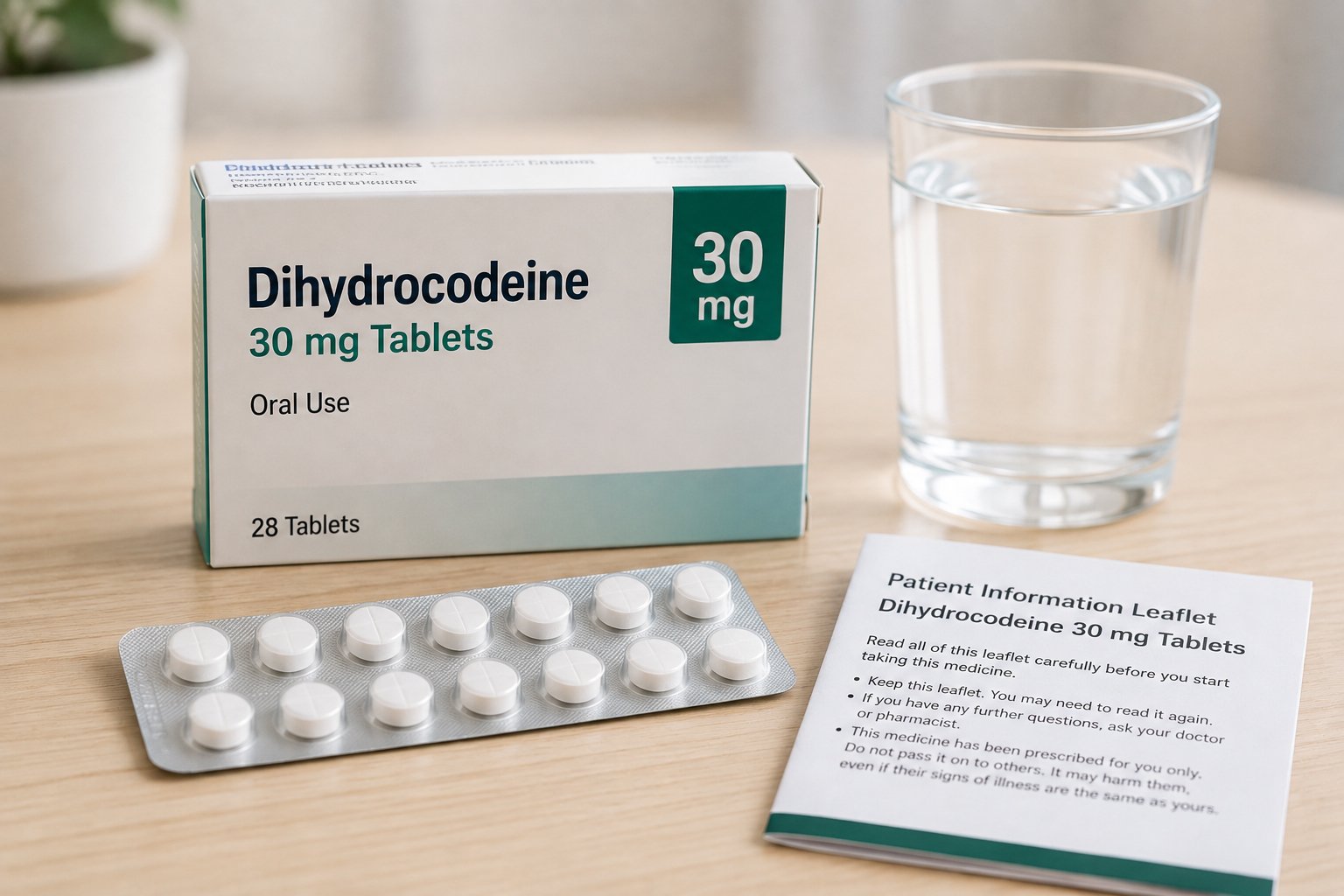
Dihydrocodeine is an opioid painkiller used in the UK for certain types of moderate to severe pain. It is available in different formulations and strengths, including 30mg tablets. While it can be an effective medicine when prescribed appropriately, it also has important safety considerations that patients should understand.
Dihydrocodeine can cause side effects such as drowsiness, nausea, dizziness and constipation. Like other opioid medicines, prolonged use can also result in tolerance, dependence and, in some people, addiction.
This guide explains what dihydrocodeine 30mg is, what it may be used for, its common side effects, important interactions and the precautions patients should know before and during treatment.
Important: This article is for general health information and does not replace advice from your GP, pharmacist or other qualified healthcare professional.
What Is Dihydrocodeine 30mg?
Dihydrocodeine is an opioid painkiller. It works by changing how pain signals are processed by the brain and central nervous system. NHS guidance states that it may be used for moderate to severe pain, including pain following an operation or serious injury, and in some cases of longer-term pain.
Dihydrocodeine 30mg refers to a tablet containing 30mg of the active medicine.
The strength of a medicine does not mean it is automatically appropriate for every person. The correct treatment depends on factors such as the type of pain, other health conditions, other medicines and the individual’s response to treatment.
Dihydrocodeine is prescription-only in the UK.
What Is Dihydrocodeine 30mg Used For?
Dihydrocodeine may be prescribed when stronger pain relief is considered appropriate.
Potential clinical situations can include:
- Pain following an operation
- Pain after a serious injury
- Certain forms of moderate to severe pain
- Some longer-term pain where other painkillers have not provided adequate relief
The underlying cause of persistent pain should always be assessed.
If pain continues despite treatment, increasing the amount of medicine without medical advice is not a safe approach. Your healthcare professional may need to reassess the condition and treatment plan.
How Does Dihydrocodeine Work?
Dihydrocodeine belongs to the opioid group of medicines.
It works within the central nervous system and changes the way the brain perceives pain. This can reduce the sensation of pain without necessarily treating the underlying cause.
People can respond differently to opioids. Factors such as age, other medicines, health conditions and previous exposure to opioid medicines can influence how someone responds.
For this reason, a prescribed dose should not be changed based on how another person responds to the medicine.
How Long Does Dihydrocodeine Take to Work?
The time taken to work depends on the formulation.
According to NHS information, standard dihydrocodeine tablets can take around 1.5 to 2 hours to work fully, while slow-release formulations may take longer but are designed to last longer.
Patients should follow the instructions supplied with their specific formulation.
If pain is not adequately controlled, do not automatically take an additional dose. Instead, discuss the situation with your prescriber or pharmacist.
Common Dihydrocodeine 30mg Side Effects
Like all medicines, dihydrocodeine can cause side effects.
Common side effects include:
Constipation
Opioids can slow the digestive system, making constipation a common problem.
Maintaining adequate fluid intake, eating a suitable balanced diet and remaining physically active where possible may help.
If constipation becomes troublesome, speak with a pharmacist or doctor.
Feeling Sick
Nausea or vomiting can occur, particularly when treatment is first started.
If this continues or becomes severe, professional advice should be sought.
Drowsiness
Dihydrocodeine can make some people feel sleepy.
This can affect driving, cycling, operating machinery and other activities requiring concentration.
Dizziness
Some people may experience dizziness or vertigo.
Getting up slowly from sitting or lying down may help reduce the chance of feeling faint.
Dry Mouth
A dry mouth can occur during treatment. Drinking water and maintaining good oral hygiene may help.
NHS guidance lists constipation, nausea, drowsiness, dizziness and dry mouth among recognised side effects.
Is Dihydrocodeine 30mg Addictive?
Dihydrocodeine is an opioid, so dependence and addiction are recognised risks.
UK government guidance states that prolonged opioid use can lead to tolerance, dependence and, in some people, addiction.
Signs that may warrant discussion with a healthcare professional include:
- Feeling that you need increasingly more medicine
- Craving the medicine
- Taking it for reasons other than pain
- Continuing to use it despite problems
- Experiencing withdrawal symptoms when treatment is stopped
If you have been taking dihydrocodeine regularly for some time, do not stop suddenly without appropriate medical advice. A healthcare professional can advise whether the medicine should be reduced gradually.
Can Dihydrocodeine Stop Working Over Time?
Some people taking opioids for longer periods can develop tolerance.
This means the body becomes accustomed to the medicine and its effects may become less noticeable.
NHS guidance also notes that some people can develop increased sensitivity to pain, known as hyperalgesia, during long-term opioid treatment.
If you feel that your prescribed medicine is no longer providing adequate pain relief, speak with your doctor rather than increasing the amount yourself.
Dihydrocodeine 30mg and Alcohol
Alcohol can increase the sedative effects of dihydrocodeine.
Combining them may increase the likelihood of:
- Sleepiness
- Dizziness
- Poor coordination
- Reduced alertness
- Serious side effects
NHS guidance advises that alcohol can make people more sleepy while taking dihydrocodeine and can increase the risk of serious side effects.
If you are taking dihydrocodeine and are unsure whether alcohol is appropriate, speak with your pharmacist or doctor.
Dihydrocodeine and Other Medicines
It is important to tell your doctor or pharmacist about all medicines you take.
This includes
- Prescription medicines
- Pharmacy medicines
- Over-the-counter painkillers
- Sleeping medicines
- Medicines for anxiety
- Antidepressants
- Herbal products
- Supplements
Some medicines can increase sedation or otherwise interact with dihydrocodeine.
In particular, taking multiple opioid medicines without professional direction can increase the risk of excessive opioid effects.
UK government guidance advises patients not to take additional opioid medicines to “top up” pain relief without advice from their prescriber or pharmacist.
Can You Drive After Taking Dihydrocodeine 30mg?
Dihydrocodeine may cause:
- Sleepiness
- Dizziness
- Blurred vision
- Reduced concentration
- Poor coordination
If the medicine affects your ability to drive safely, you should not drive.
NHS guidance specifically advises against driving, cycling or operating machinery if dihydrocodeine makes you dizzy, sleepy, clumsy or unable to concentrate.
If you are unsure whether you are fit to drive, speak with your doctor or pharmacist.
Who Should Speak to a Doctor Before Taking Dihydrocodeine?
Dihydrocodeine may not be suitable for everyone.
You should provide your healthcare professional with accurate information about:
- Existing medical conditions
- Previous reactions to medicines
- Other medicines you take
- Pregnancy or breastfeeding
- Previous problems with dependence or addiction
Your prescriber can assess whether dihydrocodeine is appropriate and determine how your treatment should be monitored.
What Happens If You Take Too Much Dihydrocodeine?
Serious opioid toxicity can cause symptoms such as:
- Extreme drowsiness
- Difficulty waking
- Slow or shallow breathing
- Loss of consciousness
NHS guidance advises calling 999 for difficulty breathing or short, shallow breathing after taking dihydrocodeine.
If you believe you have taken more medicine than prescribed, seek urgent medical advice rather than waiting for symptoms to develop.
Dihydrocodeine 30mg: Important Safety Tips
If you have been prescribed dihydrocodeine:
- Follow the instructions provided by your prescriber.
- Never increase the amount yourself.
- Do not share your medicine.
- Keep medicines away from children.
- Avoid alcohol if advised by your healthcare professional.
- Tell your pharmacist about other medicines.
- Do not use someone else’s prescription.
- Seek advice if pain is not improving.
- Discuss long-term treatment regularly with your healthcare professional.
These precautions are particularly important because opioids carry recognised risks of dependence and overdose.
When Should You Seek Medical Help?
Contact a healthcare professional if:
- Your pain is getting worse.
- Dihydrocodeine no longer seems to provide adequate relief.
- Side effects continue or become troublesome.
- You are worried about dependence.
- You want to stop regular treatment.
- You are taking other medicines and are unsure about interactions.
Seek emergency help for serious symptoms such as difficulty breathing, severe loss of consciousness or a seizure.
Dihydrocodeine 30mg: Key Takeaways
The most important points are:
- Dihydrocodeine is an opioid painkiller.
- 30mg refers to the strength of the tablet.
- It may be prescribed for certain moderate to severe pain.
- Common side effects include constipation, nausea, drowsiness and dizziness.
- Long-term use can lead to tolerance and dependence.
- Alcohol and some medicines can increase risks.
- Do not change your prescribed treatment without professional advice.
FAQ
Is dihydrocodeine 30mg a strong painkiller?
Dihydrocodeine is an opioid painkiller used for moderate to severe pain in appropriate circumstances. The suitability of the 30mg strength depends on the individual clinical situation.
What is dihydrocodeine 30mg used for?
It may be prescribed for certain moderate to severe pain, including pain following an operation or serious injury and some longer-term pain when other treatments have not been effective.
What are the common side effects of dihydrocodeine 30mg?
Common side effects include constipation, nausea or vomiting, drowsiness, dizziness and dry mouth.
Can dihydrocodeine cause dependence?
Yes. Dihydrocodeine is an opioid and prolonged use can result in tolerance and dependence. Some people can also develop addiction.
Can you drink alcohol while taking dihydrocodeine?
Alcohol can increase drowsiness and the risk of serious side effects. Discuss alcohol use with your healthcare professional.
Can you drive while taking dihydrocodeine?
If dihydrocodeine makes you sleepy, dizzy, clumsy or unable to concentrate, you should not drive or operate machinery.
Conclusion
Dihydrocodeine 30mg is an opioid medicine used in the UK for certain types of moderate to severe pain. While it can have an important role in pain management, it needs to be used responsibly because it can cause side effects and carries risks of tolerance, dependence and addiction.
Understanding how the medicine works, recognising common side effects and being aware of potential interactions can help patients use their treatment safely.
If you have concerns about your dose, side effects, long-term treatment or other medicines you are taking, speak with your GP, pharmacist or prescribing healthcare professional.