- buysleeperscouk@gmail.com
- 07900900002
- 14 Lotus Lane, Suite 3
What Are the Best Alternatives to Zopiclone?
Introduction
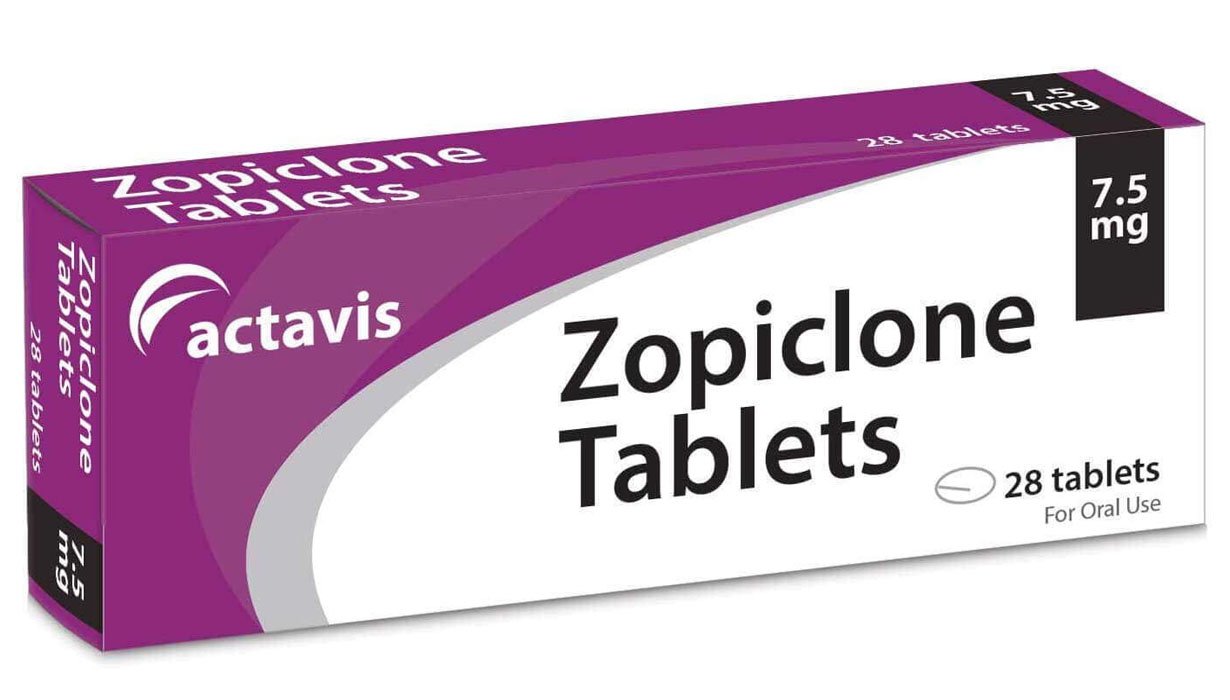
Zopiclone is often prescribed for short-term insomnia, but long-term use can lead to dependence and side effects. Luckily, there are effective alternatives—both natural and behavioral—that can help you sleep better without medication.
Herbal & Natural Alternatives:
1. Valerian Root
A popular herbal remedy known for calming effects.
2. Chamomile Tea
Mild sedative properties, best taken before bed.
3. Lavender (Oil or Tea)
Promotes relaxation and reduces anxiety.
4. Melatonin Supplements
Ideal for jet lag or shift workers; use short-term.
Behavioral & Lifestyle Changes:
✔️ Cognitive Behavioural Therapy for Insomnia (CBT-I)
Gold standard for treating chronic insomnia without medication.
✔️ Sleep Hygiene
Stick to a regular schedule, avoid caffeine late, and reduce screen time.
✔️ Mindfulness & Meditation
Calms the nervous system and prepares the mind for sleep.
Final Thoughts:
If you’re looking to stop or avoid Zopiclone, these natural and lifestyle-based options can help restore healthy sleep patterns—safely and sustainably.
Can I Take Sleeping Pills Every Night?
Introduction
Sleeping pills (like Zopiclone, Diazepam, or OTC aids) can be helpful for occasional, short-term relief—such as during stressful periods or jet lag.
Long-Term Use Risks:
- Tolerance (they stop working)
- Dependence (you can’t sleep without them)
- Withdrawal symptoms
- Daytime drowsiness, memory issues, and falls (especially in older adults)
Not Recommended:
Most doctors advise against daily long-term use, unless under strict medical supervision.
Safer Alternatives:
- CBT for Insomnia (CBT-I) – proven long-term solution
- Melatonin supplements (short-term use)
- Sleep hygiene: regular sleep schedule, no screens before bed
- Relaxation techniques: deep breathing, meditation
Bottom Line:
Sleeping pills can help short-term, but nightly use isn’t safe. Always talk to your doctor and consider non-medical solutions for lasting results.
Common Side Effects of Sleep Aids
Introduction
Sleep aids can provide much-needed relief for those struggling with insomnia or disrupted sleep, but they are not without risks. Whether you’re using prescription medication like Zopiclone or Diazepam, over-the-counter antihistamines, or herbal remedies, it’s essential to understand the common side effects and take necessary precautions.
This blog highlights the most frequent symptoms and offers safety tips to help you use sleep aids more responsibly.
Types of Sleep Aids
Before diving into side effects, let’s briefly categorize the most common types:
- Prescription Sleep Medications
- Examples: Zopiclone, Zolpidem, Diazepam
- Use: Short-term treatment for insomnia
- Over-the-Counter (OTC) Sleep Aids
- Examples: Diphenhydramine (Nytol), Doxylamine
- Use: Occasional sleep troubles or jet lag
- Herbal or Natural Remedies
- Examples: Valerian root, Melatonin, Chamomile
- Use: Mild, natural sleep support
Common Side Effects Across Sleep Aids
Drowsiness & Grogginess
- What it feels like: Feeling sluggish, tired, or mentally foggy the next morning
- Precaution: Take at least 7–8 hours before you need to be alert
Dizziness or Lightheadedness
- More common with: Prescription sleep medications
- Precaution: Avoid driving or operating machinery after taking a sleep aid
Dry Mouth or Throat
- Often seen with: Antihistamines (like diphenhydramine)
- Solution: Stay hydrated and keep water by your bedside
Headaches
- A common but temporary side effect, particularly when starting a new sleep aid
Unusual Dreams or Nightmares
- Associated with: Z-drugs like Zolpidem or Zopiclone
- Reason: These drugs alter REM sleep cycles
Memory Issues or Confusion
- More likely in: Older adults or people using benzodiazepines (like Diazepam)
- Precaution: Use the lowest effective dose for the shortest time
Dependency or Withdrawal
- High risk with: Long-term use of prescription sleep medications
- Warning signs: Needing higher doses, trouble sleeping without the aid
Allergic Reactions
- Rare, but symptoms may include rashes, swelling, or difficulty breathing
- Immediate action required: Seek emergency medical help
When to Stop and Call a Doctor
- Severe next-day drowsiness
- Difficulty breathing or chest pain
- Worsening anxiety or depression
- Behavioral changes or hallucinations
Safety Tips for Using Sleep Aids
- Always follow the prescribed dose
- Avoid alcohol — it intensifies side effects and can be dangerous
- Don’t mix sleep aids with other sedatives unless approved by a doctor
- Limit use to short-term relief unless under medical supervision
- Discuss all supplements and medications with your doctor before combining
Natural Alternatives to Consider
- Melatonin supplements (ideal for jet lag and shift work)
- Herbal teas like chamomile or lavender
- Cognitive Behavioural Therapy for Insomnia (CBT-I) – a non-drug solution with long-term benefits
- Mindfulness & breathing techniques
Conclusion
While sleep aids can be helpful in the short term, they come with potential side effects and risks. Being aware of the symptoms and taking the right precautions can help you use them safely and effectively. Always prioritize professional advice and explore non-drug alternatives for long-term sleep wellness.
How to Buy Diazepam Online Safely in the UK
Introduction
Diazepam (commonly known by the brand name Valium) is a powerful medication used to treat anxiety, muscle spasms, seizures, and sometimes insomnia. While it’s convenient to buy medications online, doing so without proper precautions can be risky — especially with controlled substances like Diazepam.
If you’re considering purchasing Diazepam online in the UK, here’s everything you need to know to stay safe and within the law.
Important Legal Reminder?
Diazepam is classified as a Class C controlled substance and a Prescription-Only Medicine (POM) in the UK.
It is illegal to buy Diazepam without a valid prescription.
Buying it from unregulated websites or without a prescription may result in:
- Health risks due to counterfeit or contaminated products.
- Legal consequences such as fines or prosecution.
- Data theft or payment fraud.
Step-by-Step Guide to Buying Diazepam Safely Online
Start with a Doctor Consultation
Before you even think of buying Diazepam, consult a licensed UK doctor. You can do this via:
- Your NHS GP.
- A private doctor.
- An online medical consultation with a UK-registered provider.
If Diazepam is appropriate, they will issue a prescription legally.
Choose a Registered UK Pharmacy
- Only purchase from an MHRA-authorized and GPhC-registered online pharmacy. Here’s how to verify them:
- GPhC Registration Number – Found in the website footer or About section.
- EU Common Logo – A clickable green cross logo that links to a government database.
- MHRA Listing – Confirm the seller is listed on the MHRA’s register of legitimate online sellers.
Avoid sites that:
- Offer Diazepam without a prescription
- Use vague contact details (no UK address or registration)
- Have no consultation process
Confirm Secure Checkout and Privacy
- Uses HTTPS encryption (check for the padlock in your browser bar)
- Has clear data privacy policies
- Offers secure payment methods (Visa, Mastercard, PayPal, etc.)
Understand Delivery and Packaging Policies:
- Use discreet, tamper-proof packaging
- Deliver through secure, trackable methods (like Royal Mail Tracked)
- Provide order confirmation and tracking info
Warning Signs of Scam Websites
- Sells Diazepam without requiring a prescription
- Offers bulk discounts or “free samples”
- Has poor spelling, grammar, or generic content
- Doesn’t list a physical UK address or verified contact information
- Is based overseas but targets UK customers
Safer Alternatives to Consider
- Cognitive Behavioural Therapy (CBT)
- Non-addictive medications or herbal remedies
- Sleep hygiene techniques
- Licensed short-term sleep aids with less dependency risk
Final Thoughts: Stay Smart, Stay Legal
Yes, you can buy Diazepam online in the UK, but only through verified, legal channels and with a valid prescription. By sticking to registered UK pharmacies and avoiding shady sellers, you can protect your health, privacy, and finances.
Zopiclone vs Diazepam – Which Is Better for Sleep?
Introduction
When it comes to treating insomnia or severe sleep disturbances, two commonly prescribed medications often come up: Zopiclone and Diazepam. Both are used as sleep aids but differ significantly in how they work, how long they last, and their side effect profiles. So, which is better for sleep — Zopiclone or Diazepam? Let’s compare the two across multiple factors to help you understand their roles and risks.1. What Is Zopiclone?
- Drug class: Non-benzodiazepine hypnotic (Z-drug)
- Brand names: Zimovane, Imovane
- Purpose: Primarily prescribed for short-term treatment of insomnia
- Onset: Fast-acting (usually within 1 hour)
- Duration: 6–8 hours
Diazepam
- Drug class: Benzodiazepine
- Brand name: Valium
- Purpose: Used for anxiety, muscle spasms, seizures, and sometimes sleep issues
- Onset: Fast-acting (within 30–60 minutes)
- Duration: Long-acting (up to 24 hours or more)
Use Cases – When to Use What?
Zopiclone is preferred when:
- You need help with falling asleep quickly
- You want a medication with less next-day grogginess
- You’re treating short-term insomnia (2–4 weeks)
Diazepam may be better if:
- Your insomnia is linked to anxiety or muscle tension
- You’re also dealing with panic disorders or seizures
- You need a longer-acting sedative under medical supervision
Prescription & Legal Status in the UK
- Both Zopiclone and Diazepam are Prescription-Only Medicines (POM) in the UK.
- Neither should be purchased online without a valid prescription and consultation with a licensed healthcare provider.
- Diazepam is a controlled drug (Class C) under the Misuse of Drugs Act, meaning it is more strictly regulated than Zopiclone.
Expert Advice & Best Practices
- Always consult your GP or a sleep specialist before using either drug.
- These medications should not be used long-term without supervision.
- Explore non-drug alternatives like Cognitive Behavioural Therapy for Insomnia (CBT-I), which is considered the gold standard for chronic sleep issues.
Conclusion:
If sleep is your primary concern, Zopiclone is often the better and more targeted option. Diazepam, while helpful in certain cases, is generally more suitable for anxiety-related sleep issues. Both drugs carry risks, so medical guidance is essential.
What You Need to Know About Diazepam
Introduction
The prescription drug diazepam, also marketed under the brand name Valium, is a member of the benzodiazepine class. It is frequently used to treat ailments like anxiety, seizures, spasms in the muscles, and the symptoms of alcohol withdrawal. We will go over what diazepam is, how it works, its advantages, potential drawbacks, and safe usage in this tutorial.
1. What Is Diazepam?
Diazepam is a depressant of the central nervous system. It helps to lessen nervous system hyperactivity by enhancing the effects of GABA, a calming neurotransmitter in the brain. Because of these relaxing properties, it is recommended for:
Generalized anxiety disorder (GAD)
Acute alcohol withdrawal
Muscle spasms or stiffness
Seizure disorders (as adjunct therapy)
Sedation before medical procedures
2. How Does Diazepam Work?
In order to slow down brain activity, GABA is amplified by diazepam. This can help calm people down, relax their muscles, prevent seizures, and lessen anxiety. Typically, the soothing effect begins within 30 to 60 minutes.
3. Proper Usage and Dosage
Form: Oral tablets, injection, rectal gel
Dosage: Varies depending on condition; often 2–10 mg taken 2 to 4 times daily
Duration: Short-term use is recommended due to risk of dependence
Always pay close attention to what your doctor prescribes. Never change the dosage without consulting a doctor.
4. Possible Side Effects
Common side effects include:
Drowsiness or fatigue
Dizziness
Blurred vision
Muscle weakness
Memory issues or confusion (especially in elderly patients)
Seek immediate medical attention if you notice:
Difficulty breathing
Severe drowsiness
Unusual mood or behavior changes
5. Warnings and Precautions
Addiction Risk: Long-term or high-dose use can lead to dependence
Withdrawal Symptoms: Do not stop abruptly; taper under medical supervision
Avoid Alcohol: Increases sedative effect and can be dangerous
Pregnancy & Breastfeeding: Not recommended unless necessary
6. Is Diazepam Legal in the UK?
Yes, according to the UK’s Misuse of Drugs Act, diazepam is a regulated prescription-only medication. Diazepam cannot be purchased or sold without a legitimate prescription from a registered healthcare professional.
7. Alternatives to Diazepam
For those looking for non-benzodiazepine options, alternatives may include:
SSRIs (e.g., sertraline) for anxiety
Muscle relaxants (e.g., baclofen)
CBT therapy (non-drug option)
Herbal supplements (Valerian, CBD, etc.)
Conclusion
Diazepam can be an effective treatment for short-term anxiety, seizures, and other nervous system-related issues. However, due to its addictive nature, it should only be used under strict medical supervision. If you’re experiencing symptoms that might require Diazepam, consult your healthcare provider for a personalized treatment plan.
Best Over-the-Counter Sleeping Aids in the UK
Introduction
You are not the only one who has trouble falling or staying asleep. Millions of people in the UK suffer from insomnia and other sleep disorders. Thankfully, there are several over-the-counter (OTC) sleeping medicines that can assist improve sleep quality without a prescription. This blog examines the best over-the-counter sleep aids, their mechanisms, and factors to take into account when selecting one.1. What Are Over-the-Counter Sleeping Aids?
Over-the-counter sleeping aids are prescription-free drugs or supplements that are intended to help you fall asleep, enhance the quality of your sleep, or modify your sleep schedule. These are typically used to treat occasional insomnia, jet lag, and short-term insomnia.
2. Top OTC Sleeping Aids Available in the UK
a. Nytol One-A-Night
Type: Antihistamine (Diphenhydramine hydrochloride)
How it works: Induces drowsiness by blocking histamine receptors in the brain
Best for: Occasional sleeplessness
Note: Not for long-term use due to potential drowsiness the next day.
b. Kalms Night
Type: Herbal remedy (Valerian root extract)
How it works: Naturally promotes relaxation and restful sleep
Best for: Mild anxiety-related insomnia
Note: Suitable for individuals looking for a natural alternative.
c. Sominex
Type: Antihistamine (Promethazine hydrochloride)
How it works: Sedating antihistamine that helps initiate sleep
Best for: Difficulty falling asleep
Note: Not suitable for children under 16.
d. Benylin Night Coughs
Type: Combination antihistamine and cough suppressant
How it works: Soothes night-time coughing and induces drowsiness
Best for: Cough-related sleep disturbances
e. Melatonin (as a supplement)
Note: Only available via prescription in the UK, but some melatonin-containing herbal alternatives are available OTC.
Best for: Jet lag or shift work sleep disorder
3. Natural Alternatives & Supplements
Think about using natural sleep aids like these if you are afraid to utilize conventional over-the-counter medications:
Valerian root
Chamomile tea or extract
Magnesium supplements
Lavender oil or aromatherapy
With consistent use, they can gradually enhance the quality of sleep, though they might not work right away.
4. Tips for Safe Use
Read the label carefully for dosage and side effects
Do not mix with alcohol or sedatives
Avoid long-term use without medical advice
Consult a GP if insomnia persists longer than 2 weeks
5. When to See a Doctor
If over-the-counter sleep aids don’t help or you experience:
Frequent nightmares
Waking up feeling tired
Sleep disruptions from stress or medical issues
Conclusion
To help you deal with temporary sleep issues, the UK has a large assortment of over-the-counter sleeping aids. Depending on your unique demands, you can choose from medication choices like Nytol or natural cures like Kalms Night. Always take sleep aids sensibly, and if symptoms worsen, think about consulting a doctor or pharmacist.
How to Buy Pain Relief Medicines Online in the UK
Introduction
Having access to efficient pain relief is crucial, regardless of whether you experience sporadic headaches or persistent joint pain. If you take the proper precautions, purchasing painkillers online in the UK can be quick, easy, and safe. Everything you need to know is included in this guide, from selecting a reliable online pharmacy to legal requirements.1.Understand the Types of Painkillers Available
Pain relief medicines in the UK fall under different legal categories:
a. Over-the-Counter (OTC) Painkillers
Such drugs include ibuprofen (200 mg) and paracetamol (500 mg), which are available over-the-counter. Usually, they are used to treat mild to moderate discomfort, such as menstrual cramps, headaches, and backaches.
b. Pharmacy Medicines (P-Meds)
Even online, a pharmacist must supervise these. Ibuprofen 400 mg and codeine-based combos (e.g., co-codamol 8/500) are two examples. Prior to dispensing, online pharmacies will ask you to complete a quick consultation.
c. Prescription-Only Medicines (POMs)
A legitimate prescription is necessary for stronger painkillers like tramadol, dihydrocodeine, naproxen, or codeine phosphate 30 mg. Reputable internet pharmacies will request an uploaded prescription or offer an online consultation.
2. Use a Legally Registered Online Pharmacy
To protect your health and safety, only buy from UK-licensed providers.
Look for the MHRA’s green cross logo on the website.
Ensure the site is registered with the General Pharmaceutical Council (GPhC).
Avoid foreign websites that offer painkillers without a prescription—this is illegal and unsafe.
3. Complete a Safe Online Consultation
For P-meds or POMs, you will need to:
Fill out a short medical questionnaire.
Verify your age and identity.
Wait for a UK-licensed prescriber or pharmacist to approve the medicine.
Once approved, a prescription is generated and your medicine is delivered discreetly.
4. Tips for Safe Usage
After buying pain relief medication online, be sure to:
Read the patient leaflet.
Stick to the dosage—especially with codeine, which is habit-forming.
Don’t combine multiple medicines containing paracetamol or NSAIDs.
Contact a healthcare provider if your pain lasts more than a few days.
5. Avoid Counterfeit Medicines
Be cautious of:
Websites without UK contact info or registration numbers.
Pharmacies offering strong opioids without a prescription.
Unrealistic prices or bulk discount offers on restricted drugs.
These may be counterfeit, expired, or even dangerous.
6. When to See a Doctor First
You should seek medical advice before buying online if:
Your pain is sudden, unexplained, or worsening.
You have underlying health conditions (liver, kidney, ulcers).
You’ve been using painkillers regularly for more than two weeks.
You’re pregnant, breastfeeding, or on multiple medications.
Final Thoughts
In the UK, purchasing painkillers online is simple as long as you choose a licensed pharmacy, are aware of the regulations, and put your safety first. Whether you require prescription codeine for chronic pain or paracetamol for a headache, reliable websites like Buy Sleepers guarantee prompt delivery, expert advice, and peace of mind.
Understanding Anxiety and Insomnia: Relief Through Medication
Introduction
Two of the most prevalent mental health issues that people in the UK deal with are anxiety and insomnia. These disorders can have a major impact on your quality of life, whether they be insomnia, racing thoughts, or constant worry. Fortunately, there are well-researched drugs that can help control these symptoms and bring back a feeling of peace and relaxation.
We examine four popular drugs that are frequently recommended for anxiety and sleep-related conditions below.
1.Amitriptyline 50mg Tablets
Amitriptyline was first created as an antidepressant, however it is also frequently taken to treat anxiety and sleep issues. It functions by raising the concentrations of specific chemicals in the brain that support relaxation and mood enhancement. It works well for people with insomnia because it also has sedative effects when taken at night.
Key Benefits:
Helps reduce anxiety symptoms
Aids in improving sleep quality
Can also relieve chronic pain associated with anxiety disorders
2.Bensedin Diazepam 10mg Tablets
A reputable brand of diazepam that belongs to the benzodiazepine drug class is Bensedin Diazepam. It is usually used to treat severe anxiety and panic attacks temporarily because of its relaxing effects on the brain and nerves.
Key Benefits:
Fast-acting relief for anxiety
Promotes muscle relaxation and mental calm
Can assist with sleep when anxiety is the root cause of insomnia
Diazepam 10mg Tablets (28 Tabs)
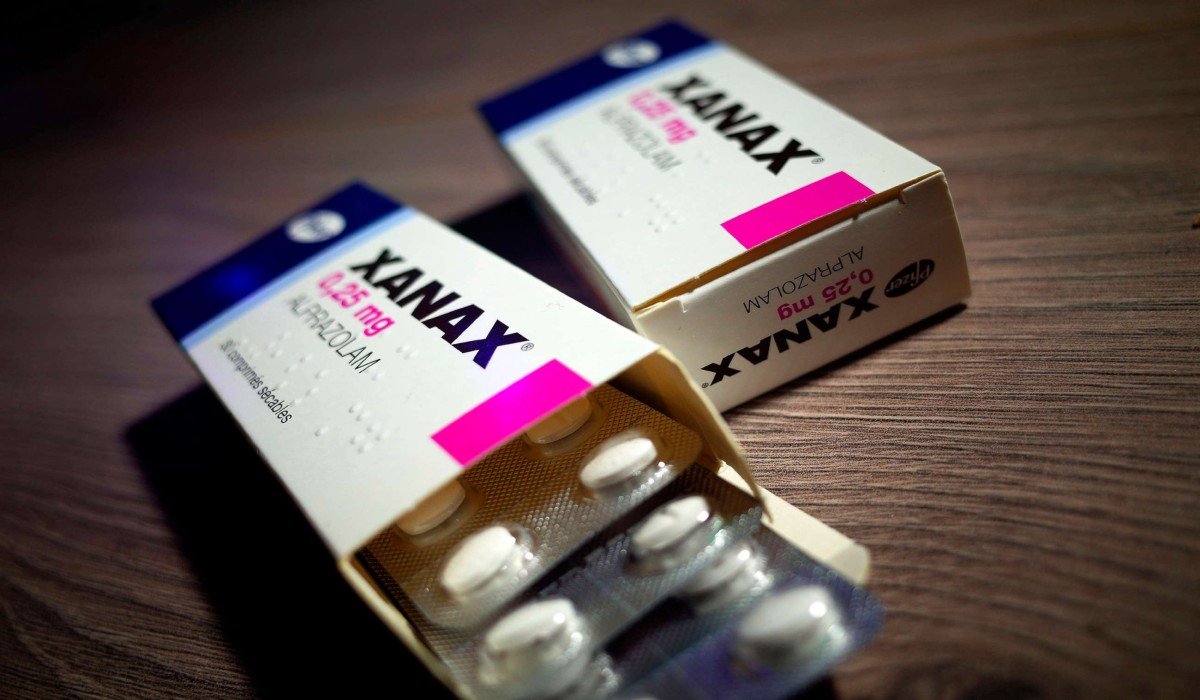
In the UK, diazepam is a medication that is frequently used to treat both acute anxiety and sleep problems. Because of its potency and potential for dependence, the 10 mg strength is typically recommended for brief periods of time.
Key Benefits:
Rapid symptom control for anxiety attacks
Improves ability to fall and stay asleep
Useful for situational anxiety (e.g., travel anxiety, hospital stays)
4.Diazepam 2mg Tablets
The lower-dose Diazepam 2mg is suitable for milder anxiety symptoms or for gradual tapering in long-term users. It offers more controlled dosing and is ideal for individuals needing a gentler option.
Key Benefits:
Gentle anxiety relief
Can be used in combination with non-drug therapies
Lower risk of side effects with supervised use
Safety & Usage Guidelines
Only under a doctor’s supervision should any of these drugs be taken. Long-term usage of benzodiazepines, such as Bensedin and Diazepam, can lead to dependency. Consistency is essential because amitriptyline may take some time to fully take effect. When using these medications, always do as your doctor directs and stay away from alcohol and other sedatives.
Final Thoughts
These drugs can be a lifesaver if you or a loved one suffers from anxiety or insomnia. To find the best choice for your particular circumstances, consult your general practitioner or a licensed UK pharmacist. You might be closer than you realize to having peace of mind and a better night’s sleep.
Over-the-Counter vs Prescription: What’s Legal in the UK?
Introduction
When it comes to buying medication in the UK, it’s crucial to understand the difference between over-the-counter (OTC) and prescription-only medicines (POMs). This guide breaks down what each category means, what’s legal to buy without a prescription, and the implications of misuse.
What Are Over-the-Counter (OTC) Medicines?
Over-the-counter medicines are those you can legally purchase without a prescription. These include everyday treatments for common ailments such as:
Headaches and pain (e.g. paracetamol, ibuprofen)
Coughs and colds (e.g. Lemsip, Benylin)
Allergies (e.g. loratadine, cetirizine)
Indigestion (e.g. Gaviscon, Rennie)
Where to Buy:
Pharmacies
Supermarkets
Online UK-registered pharmacy websites
Restrictions:
Age limits (e.g. some cold & flu products are not suitable for children under 12)
Quantity limits (e.g. no more than 32 paracetamol tablets per transaction)
What Are Prescription-Only Medicines (POMs)?
Prescription medicines require a valid prescription from a registered UK medical practitioner. These include:
Antibiotics (e.g. amoxicillin)
Strong painkillers (e.g. codeine phosphate, morphine)
Sedatives and sleeping pills (e.g. diazepam, zopiclone)
Antidepressants (e.g. sertraline, fluoxetine)
Why They’re Regulated:
Risk of addiction, side effects, or misuse
Need for medical supervision
Controlled dosages for safe use
How to Get Them:
GP consultation (in person or via NHS/online services)
Private clinics or telehealth platforms
Online pharmacies with prescription verification
What’s Illegal in the UK?
Buying or selling prescription-only drugs without a prescription is illegal and can lead to:
Fines or imprisonment
Seizure of goods
Bans on pharmacy websites
Examples of illegal actions:
Buying diazepam or tramadol online without a prescription
Importing controlled drugs from overseas websites
Selling codeine-based medicines without verifying age and use
Can You Buy Medicines Online in the UK?
Yes, but only from MHRA-registered online pharmacies. Look for:
A valid General Pharmaceutical Council (GPhC) registration
An MHRA logo on the website
Secure payment systems and prescription verification
Conclusion
Understanding the legal boundaries between OTC and prescription medicines helps keep you safe and compliant. Always consult a healthcare provider for advice, and only buy medications from registered UK sources.
Top Cold Medicines to Buy Online in the UK
Catching a cold is never convenient, but thankfully, effective over-the-counter (OTC) and prescription cold medicines are just a few clicks away. Whether you’re dealing with a stuffy nose, sore throat, cough, or body aches, the right cold remedy can ease symptoms and help you recover faster. In this guide, we highlight the top cold medicines you can buy online in the UK and explain how each one helps combat cold symptoms.
1. Lemsip Max Cold & Flu Capsules
Lemsip Max Cold & Flu Capsules are a go-to option for many. These capsules contain paracetamol (for pain and fever), phenylephrine (a decongestant), and caffeine (to reduce tiredness and improve alertness). They’re perfect for tackling headaches, body aches, fever, blocked nose, and fatigue.
2.Benylin Mucus Cough & Cold Tablets
Benylin tablets are specially designed to break down mucus, helping to ease chesty coughs. They contain guaifenesin, which loosens mucus in the lungs, making it easier to cough up and breathe more easily.
3.Sudafed Decongestant Tablets
Sudafed is a trusted brand known for targeting nasal congestion caused by colds, flu, or allergies. These tablets contain pseudoephedrine, a powerful decongestant that shrinks swollen nasal blood vessels, relieving sinus pressure and allowing for clearer breathing.
4. Night Nurse Liquid
If you’re struggling to sleep due to cold symptoms, Night Nurse offers multi-symptom relief in a soothing liquid formula. It combines paracetamol, promethazine (an antihistamine), and dextromethorphan (a cough suppressant) to relieve pain, fever, sneezing, runny nose, and coughing.
5. Beechams Cold & Flu Hot Lemon Sachets
These sachets combine paracetamol, vitamin C, and phenylephrine in a comforting lemon-flavoured drink. Ideal for easing sore throat, headache, congestion, and high temperature, Beechams Hot Lemon is a must-have for quick daytime relief..
6. Covonia Chesty Cough Mixture
Covonia’s strong formula includes liquorice extract, squill tincture, and menthol, which work together to relieve coughing and soothe the throat. This is ideal for thick, mucus-producing coughs that linger after the initial cold.
7. Otrivine Nasal Spray
When you’re battling a blocked nose, Otrivine Nasal Spray provides almost instant relief. It contains xylometazoline, a fast-acting decongestant that works within minutes to open nasal passages and allow easier breathing.
Shopping Cold Medicines Online: What You Should Know
Check ingredients: Avoid doubling up on the same active ingredients if you’re using multiple products.
Follow dosage instructions: Even OTC medications can cause side effects if misused.
Consult a pharmacist: Especially if you’re taking other medications or have underlying conditions like high blood pressure or diabetes.
Final Thoughts
With so many cold remedies available online in the UK, it’s easier than ever to manage your symptoms from the comfort of your home. Whether you prefer capsules, syrups, sprays, or hot drinks, each product listed above offers targeted relief. Make sure to read product labels carefully, and if in doubt, seek advice from a healthcare professional.
Top Tips for Managing Anxiety and Insomnia Naturally
Introduction
Insomnia and anxiety frequently coexist, making it challenging to maintain mental health and obtain sound sleep. Despite the availability of pharmaceuticals, natural approaches can be quite successful in treating certain problems without causing negative side effects. The greatest natural methods for lowering anxiety and enhancing sleep quality are examined in this article.
1. Maintain a Consistent Sleep Schedule
Why It Helps
The body’s internal clock is regulated by a regular sleep schedule, which facilitates falling asleep and waking up feeling rejuvenated.
How to Implement
- Even on the weekends, make sure you go to bed and wake up at the same time every day.
- Steer clear of lengthy naps during the day since they may interfere with your sleep at night.
- Establish a nightly ritual to let your body know it is time to go to sleep.
2. Practice Mindfulness and Meditation
Why It Helps
Meditation and mindfulness can help to soothe the mind, which lowers anxiety and encourages relaxation for better sleep.
How to Implement
- Every day, dedicate ten to fifteen minutes to deep breathing techniques or meditation.
- Before going to bed, try using apps for guided meditation or relaxing music.
- To calm your anxious system, concentrate on taking deep, steady breaths.
3. Limit Caffeine and Alcohol Intake
Why It Helps
Alcohol and caffeine can raise anxiety levels and interfere with sleep cycles.
How to Implement
- Steer clear of caffeine after 2:00 PM to avoid disrupting your sleep.
- Avoid drinking too much alcohol, especially right before bed.
- To help you relax, sip herbal teas made with chamomile or valerian root.
4. Engage in Regular Exercise
Why It Helps
Exercise raises endorphins and lowers stress chemicals, which enhance mood and sleep quality.
How to Implement
- Every day, try to get in at least 30 minutes of moderate activity.
- To avoid overstimulation, avoid doing strenuous exercise right before bed.
- Stretching and yoga might be especially beneficial right before bed.
5. Create a Relaxing Sleep Environment
Why It Helps
Anxiety can be decreased and sleep quality enhanced in a cozy and peaceful environment.
How to Implement
- Make sure your bedroom is quiet, dark, and chilly.
- To prevent light, use an eye mask or blackout curtains.
- Invest in pillows and a cozy mattress.
6. Reduce Screen Time Before Bed
Why It Helps
Screen blue light can disrupt melatonin production, making it more difficult to fall asleep.
How to Implement
- At least one hour before going to bed, turn off all electronics.
- If you must use screens in the evening, use blue light filters.
- Instead of browsing your phone, read a book or enjoy some calming music.
7. Practice Relaxation Techniques
Why It Helps
Using relaxation techniques can help reduce stress and get the body ready for a good night’s sleep.
How to Implement
- Before going to bed, try progressive muscular relaxation.
- Use lavender or other essential oils in a warm bath.
- Before going to bed, write in a journal to help you decompress.
8. Eat a Balanced Diet
Why It Helps
While some foods can induce anxiety and interfere with sleep, others can encourage calm.
How to Implement
- Add foods high in magnesium, such as leafy greens, almonds, and bananas.
- Steer clear of large meals, spicy foods, and too much sugar right before bed.
- To encourage drowsiness, sip herbal tea or warm milk.
9. Manage Stress Throughout the Day
Why It Helps
Anxiety and restlessness at night can be avoided by lowering stress levels throughout the day.
How to Implement
- During work or difficult chores, take brief pauses.
- Take part in enjoyable pastimes or pursuits.
- To get emotional support, get in touch with friends or relatives.
9. Manage Stress Throughout the Day
Why It Helps
Anxiety and restlessness at night can be avoided by lowering stress levels throughout the day.
How to Implement
- During work or difficult chores, take brief pauses.
- Take part in enjoyable pastimes or pursuits.
- To get emotional support, get in touch with friends or relatives.
Men’s Health: Common Issues and How to Address Them
Introduction
Men’s health is a vital subject that is frequently disregarded. Many men have a tendency to disregard their general well-being, postpone medical appointments, and dismiss symptoms. Men can take proactive measures to improve their health by being aware of common health conditions. Some of the most prevalent health issues affecting men will be discussed in this article, along with advice on how to avoid and treat them.
1. Cardiovascular Health
Understanding Heart Disease
Globally, heart disease is the primary cause of death for males. It covers ailments like hypertension, myocardial infarction, and stroke.
How to Address It
- Keep up a nutritious diet full of whole grains, lean meats, fruits, and veggies.
- Engage in moderate-intensity aerobic exercise on a weekly basis for at least 150 minutes.
- Steer clear of smoking and binge drinking.
- Regularly check your cholesterol and blood pressure.
- Use deep breathing exercises, meditation, or therapy to manage your stress.
2. Erectile Dysfunction (ED)
Understanding Heart Disease
Many men suffer from erectile dysfunction, particularly as they get older. Stress, anxiety, diabetes, hypertension, and lifestyle choices can all contribute to it.
How to Address It
- Eat a healthy, balanced diet and get frequent exercise.
- Practice relaxation techniques and stress management.
- Steer clear of smoking and binge drinking.
- Take into account medicinal interventions like Viagra or psychological counseling.
3. Mental Health and Depression
Recognizing Mental Health Issues
Many men experience anxiety and depression, but they frequently put off getting treatment because of the stigma.
How to Address It
- Talk candidly about mental health with professionals or close friends.
- Take part in activities that encourage contentment and relaxation.
- If necessary, seek professional therapy or counseling.
- Regular exercise improves mood and lowers stress.
4. Prostate Health
Common Prostate Issues
Men over 50 frequently worry about prostate enlargement and prostate cancer.
How to Address It
- Especially if you are over 40, have a prostate screening on a regular basis.
- Make sure your diet is high in fruits, veggies, and good fats.
- Avoid a sedentary lifestyle and maintain an active lifestyle.
- Stay away from too much alcohol and coffee and drink lots of water.
5. Obesity and Weight Management
Effects of Obesity
Diabetes, heart disease, and joint issues can all be brought on by being overweight.
How to Address It
- Eat a healthy, balanced diet and watch how much you eat.
- Engage in regular exercise that incorporates both strength and cardio training.
- Steer clear of processed foods, too much sugar, and bad fats.
- Drink plenty of water and get adequate rest.
6. Diabetes and Blood Sugar Management
Risks of Diabetes
Serious side effects from diabetes might include heart problems, renal illness, and nerve damage.
How to Address It
- Regularly check blood sugar levels.
- Cut back on processed carbohydrates and sweets.
- Continue to be active and maintain a healthy weight.
- Observe medical instructions and take prescription drugs as directed.
7. Testicular Health
Common Testicular Issues
Men of any age might be affected by diseases like infections and testicular cancer.
How to Address It
- To find lumps or anomalies, conduct routine self-examinations.
- See a physician if anything changes.
- When participating in sports, wear protective gear to avoid getting hurt.
Conclusion
Every person should prioritize the health of men. Men can have longer, healthier lives by being proactive with their diet, exercise, and routine checkups with the doctor. Making lifestyle changes and seeking medical advice when necessary can greatly enhance general well-being. The secret to leading a happy life is to put your physical and emotional well-being first.
Pain Relief: Effective Solutions for a Better Quality of Life
Pain Management: Practical Ways to Improve Your Quality of Life
A major obstacle to fully experiencing life might be pain. Acute or chronic pain has an impact on one’s emotional and mental health in addition to one’s physical health. Thankfully, there are a lot of practical ways to assist control pain and enhance your general well-being. In order to make your life more comfortable, we examine the various forms of pain, their origins, and workable solutions in this blog.
Knowing the Types and Causes of Pain
The body uses pain as a warning indication when anything is amiss. It falls into two primary categories:
1. Severe Pain
Short-term acute pain is usually caused by a disease, accident, or surgery. A toothache or a damaged ankle, for instance, might both generate excruciating agony. As the body heals, this kind of pain normally goes away.
2. Persistent Pain
Even when the underlying source of the pain is addressed, chronic pain frequently lingers for weeks, months, or even years. Chronic pain is frequently caused by ailments like migraines, fibromyalgia, and arthritis. Both daily living and mental health can be greatly impacted by chronic pain.
Other forms of pain consist of:
Damage or malfunction of the nerves can result in neuropathic pain.
Muscle, bone, or joint pain is referred to as musculoskeletal pain.
Internal organs are the source of visceral pain.
Typical Reasons for Pain
Effective pain management requires an understanding of the underlying source of the pain. Typical reasons include:Inflammation: Frequently linked to ailments such as inflammatory bowel disease or tendinitis.
Medical Conditions: Diabetes-related neuropathy, migraines, and arthritis.
Inflammation: Frequently linked to ailments such as inflammatory bowel disease or tendinitis.
Pain from surgery or other medical procedures is frequent. Lifestyle Factors: Stress, poor posture, and inactivity can all lead to chronic pain.
Practical Pain Reduction Techniques
There is no one-size-fits-all approach to pain management. The kind, intensity, and cause of the pain determine the best course of action. Here are a few efficient methods and remedies for pain management:
1. OTC (Over-the-Counter) Painkillers
For mild to moderate pain, over-the-counter medicines are frequently the first line of treatment. Typical choices consist of:
Acetaminophen (Paracetamol): Good for fever, headaches, and muscle aches.
Aspirin and ibuprofen are examples of nonsteroidal anti-inflammatory drugs (NSAIDs), which lessen pain and inflammation.
2. Prescription Drugs for Pain
Stronger drugs, such the following, may be prescribed by a doctor for severe or persistent pain:
Opioids: Used to treat extreme, acute pain, such as morphine or codeine.
Neuropathic pain is frequently treated with antidepressants or anticonvulsants.
Note: To prevent negative effects and dependency, always take drugs under a doctor’s supervision.
3. Physical Therapy
For pain resulting from musculoskeletal disorders, injuries, or the healing process following surgery, physical therapy is particularly beneficial. To ease discomfort and increase range of motion, therapists employ stretches, exercises, and methods like massage or heat therapy.
4. Modifications to Lifestyle
Changing your everyday routine can make a big difference in how you manage your pain:
Exercise: Walking, swimming, or yoga are examples of regular, low-impact exercises that can build muscle and lessen chronic pain.
Posture Correction: Back and neck pain can be avoided and alleviated by maintaining proper posture when standing, sitting, or sleeping.
Healthy Diet: Anti-inflammatory foods, such as fruits, vegetables, and seafood high in omega-3 fatty acids, can help lessen inflammation-induced discomfort.
Stress management: Pain is frequently made worse by stress. Stress management methods include deep breathing, mindfulness meditation, and counseling.
5. Alternative Medicine
Complementary and alternative therapies help a lot of people, including:
In order to relieve pain, acupuncture involves putting tiny needles into particular body locations.
In order to relieve pain, chiropractic care focuses on spinal alignment.
Herbal Remedies: CBD oil, ginger, turmeric, and other natural substances may be used to treat pain.
6. Cold and Heat Treatment
Cold packs are perfect for acute injuries because they reduce swelling and dull severe discomfort.
Heat packs can help with stiffness or chronic pain like arthritis by relaxing muscles and increasing blood flow.
7. Counseling for Behavior
Through altering cognitive patterns and responses to suffering, Cognitive Behavioral Therapy (CBT) assists patients in managing chronic pain. This method works particularly well for migraines and fibromyalgia.
When to Get Expert Assistance
Even if there are numerous at-home pain management techniques, it is crucial to see a doctor if:
The pain is intense, ongoing, or getting worse.
Pain makes it difficult to sleep or carry out regular tasks.
Home cures and over-the-counter drugs do not work.
Other symptoms, such fever, edema, or inexplicable weight loss, appear.
To properly manage your pain, a physician might suggest interdisciplinary care, cutting-edge therapies, or diagnostic testing.
Pain Management for an Improved Quality of Life
Although dealing with pain might be difficult, it need not rule your life. You can take back control and enhance your wellbeing with the appropriate methods and therapies. A variety of reliable painkillers are available at Buy Sleepers to help you manage your discomfort and resume your favorite activities.
Concluding remarks
Pain management aims to improve your general quality of life, not merely lessen discomfort. The secret is to experiment with and mix various pain management techniques that are most effective for you, regardless of whether you are coping with acute or chronic pain. There are many ways to improve your health, ranging from medicine and counseling to lifestyle modifications and complementary therapies.
Stop allowing discomfort to limit your progress. Begin your path to wellbeing and comfort right now. Shop for painkillers at Buy Sleepers to find reliable, need-specific solutions.